What is Matcha Powder? A B2B Guide for Food & Beverage Brands
What is matcha powder and why is it a high-value ingredient for food & beverage brands? Learn about shading, health benefits, and B2B applications.
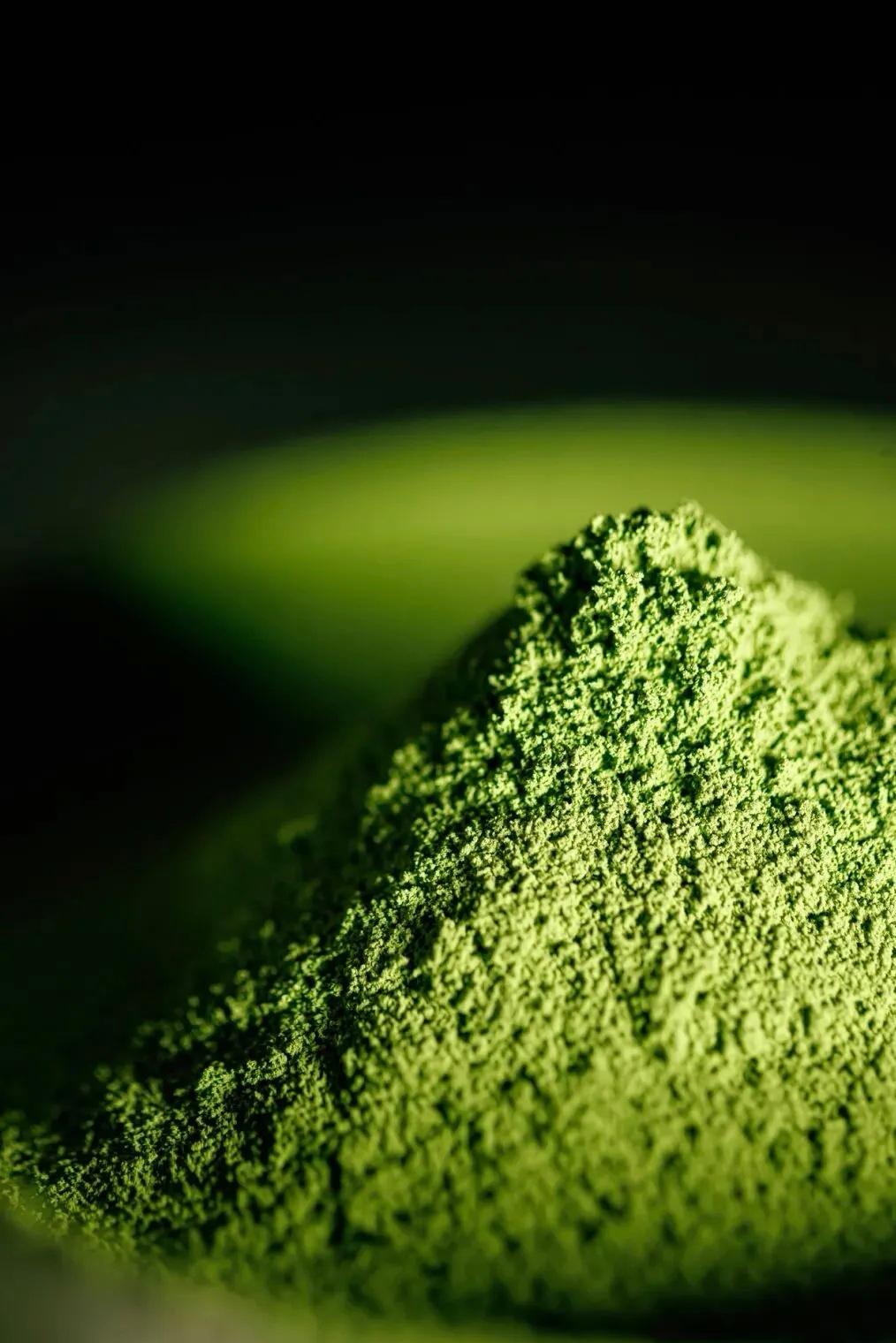
Table of Contents
Need Samples for R&D or Formulation?
We provide free samples of Ceremonial, Premium, and Culinary grade matcha for commercial testing.
Matcha has taken the global food, beverage, and wellness industries by storm. Once a niche product confined to traditional tea ceremonies, it is now a multi-billion dollar global market. But what exactly is matcha, and why is it highly valued by food manufacturers, cafe chains, and supplement brands worldwide? For B2B buyers, understanding the fundamentals of this premium green tea powder is the first step to sourcing the right product for your brand and capitalizing on the growing consumer demand for functional, clean-label ingredients. This comprehensive guide explores the definition, cultivation, nutritional profile, and commercial applications of wholesale matcha powder.
1. What is Matcha Powder?
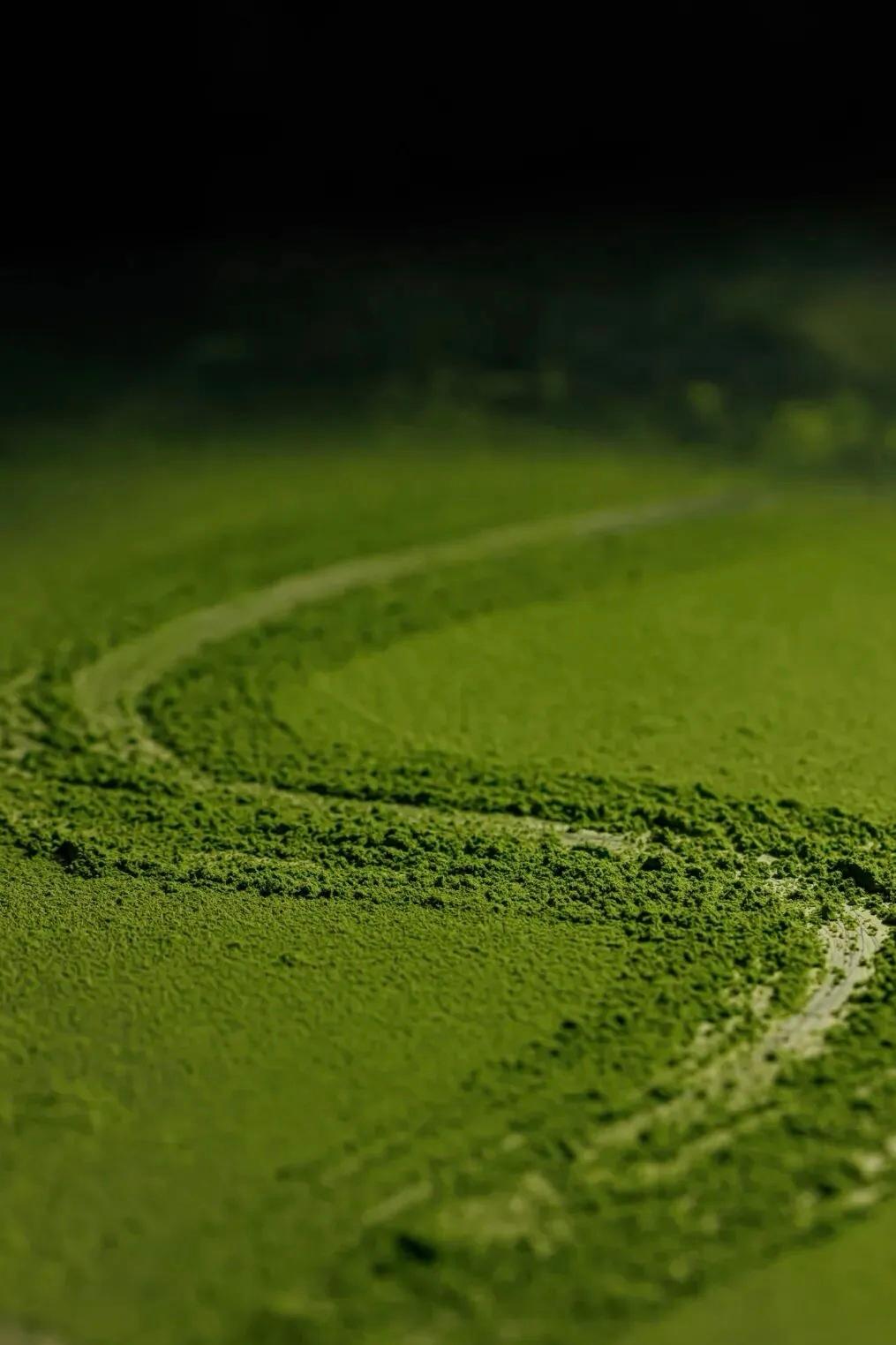
Matcha is a finely ground powder made from specially grown and processed green tea leaves (Camellia sinensis). Unlike traditional green tea, where the leaves are steeped in hot water and discarded, with matcha, you consume the entire tea leaf. This means you consume 100% of the leaf's nutrients, color pigments, and flavor compounds. Consequently, matcha is an exceptionally high-value ingredient for commercial food and beverage formulations, offering a unique combination of visual appeal, flavor, and health benefits. However, true matcha is not simply ground green tea; it requires a highly specialized agricultural and manufacturing process to develop its signature characteristics.
2. The Agricultural Shading Process: The Secret to Jade Green & Umami
The defining characteristic of authentic matcha is the shading process. About 3 to 4 weeks before harvest, the tea plants are covered with black netting (known as the Tana shading method) to block out 90% to 98% of sunlight. This light deprivation triggers several physiological changes in the tea plants:
- Chlorophyll Synthesis: The plants compensate for the lack of light by producing massive amounts of chlorophyll, turning the leaves a deep, vibrant jade green. This gives premium matcha its characteristic jade color.
- Amino Acid Accumulation: In direct sunlight, L-theanine (an amino acid synthesized in the roots) is converted into bitter catechins. Shading halts this conversion, allowing L-theanine to accumulate in the leaves, resulting in a sweet, umami flavor with minimal bitterness.
- Aroma Development: Shading alters the volatile compounds in the leaf, creating the unique "ooika" (shade aroma), which is fresh, grassy, and slightly sweet.
(For a deep dive into garden management, see Matcha Tea Garden Management.)
3. Nutritional Profile and Functional Health Benefits
Because the entire leaf is consumed, matcha provides a highly concentrated source of nutrients and bioactive compounds, making it a popular ingredient in the functional food and nutraceutical sectors:
- High Antioxidant Content (EGCG): Matcha is packed with catechins, particularly epigallocatechin gallate (EGCG), a powerful antioxidant that supports cardiovascular health, boosts metabolism, and combats oxidative stress. Matcha's ORAC (Oxygen Radical Absorbance Capacity) rating is significantly higher than that of goji berries, blueberries, and spinach.
- L-Theanine and Caffeine Synergy: Matcha contains a natural combination of caffeine and L-theanine. L-theanine is an amino acid that promotes relaxation and alpha-wave brain activity. When combined with caffeine, it provides a sustained release of energy—often described as "calm focus"—without the jittery crash or anxiety associated with coffee.
- Detoxifying Chlorophyll: The high chlorophyll content acts as a natural detoxifier and provides a clean-label, plant-based green colorant for food products.
4. B2B Grading Standards: Ceremonial vs. Premium vs. Culinary
Matcha is classified into distinct grades based on harvest time, leaf position, and sensory qualities. Understanding these grades is critical for balancing product quality and cost-of-goods-sold (COGS):
| Matcha Grade | Key Characteristics | Best Applications |
|---|---|---|
| Ceremonial Grade | Vibrant jade green, sweet umami flavor, zero bitterness, stone-ground. Made from first-flush spring leaves. | Traditional whisked tea, premium single-origin products, high-end cafes. |
| Premium Grade | Bright green, balanced umami and mild astringency, highly versatile. Made from late spring harvests. | Matcha lattes, premium RTD beverages, high-quality ice cream. |
| Culinary Grade | Deeper green, robust and astringent flavor, heat-stable. Made from summer/autumn harvests. | Baking, confectionery, chocolate, large-scale food manufacturing. |
(For details on laboratory testing and grading standards, see Matcha Quality Grading & Evaluation Standards.)
5. Key B2B Commercial Applications
For food and beverage manufacturers, wholesale matcha powder is a highly versatile ingredient used across diverse product lines: (Explore all application scenarios in Matcha Application Scenarios.)
- Beverages: Matcha lattes, ready-to-drink (RTD) bottled teas, energy drinks, and bubble tea.
- Bakery & Confectionery: Matcha cakes, cookies, chocolates, truffles, and ice cream.
- Dietary Supplements: Green superfood powders, protein blends, capsules, and weight management formulas.
6. Sourcing Checklist for B2B Procurement Managers
- Grade Selection: Choose Ceremonial Grade for drinking straight, Premium Grade for lattes and RTD beverages, and Culinary Grade for baking and confectionery.
- Color and Particle Size: Ensure the powder is vibrant green and ground to a fine particle size (5-10 microns) for optimal suspension and mouthfeel.
- Certifications: Verify that the supplier holds international food safety and quality certifications, such as FDA, ISO22000, HACCP, Halal, and Organic (USDA/EU).
- Supply Chain Stability: Partner with a direct manufacturer who can guarantee consistent quality, stable pricing, and reliable lead times throughout the year.
7. FAQ: What is Matcha Powder
Q1: Is matcha powder water-soluble?
No, matcha powder is not water-soluble. It consists of micro-fine ground tea leaves that are suspended in liquid. Over time, these particles will naturally settle to the bottom. In commercial beverage formulations, stabilizers like gellan gum or pectin are used to maintain suspension.
Q2: Why is organic matcha sometimes less vibrant green than non-organic matcha?
Organic cultivation relies strictly on organic fertilizers (like compost or rapeseed meal), which release nitrogen more slowly than chemical fertilizers. Since nitrogen is a key building block for chlorophyll, organic tea plants may produce slightly less chlorophyll than chemically fertilized plants, resulting in a slightly less vibrant green color. However, organic matcha is highly preferred in markets like Europe due to strict pesticide regulations.
Q3: What is the difference between matcha and standard green tea powder?
Standard green tea powder is made from sun-grown green tea leaves (no shading) that are ground into a powder. It is yellowish-brown in color, tastes extremely bitter, and has a gritty texture. True matcha must be shade-grown for 20-30 days, de-veined to remove stems, and ground to a micro-fine particle size (5-10 microns), resulting in a bright green color, sweet umami taste, and silky texture. (Learn about the full manufacturing journey in The Matcha Production Process.)
Partner with a Reliable Bulk Matcha Supplier
Hunan Orisen Biotech Co., Ltd. (Orisen Tea) is a certified manufacturer and exporter of premium, factory-direct matcha powder. We operate our own shade-grown tea gardens and state-of-the-art processing facilities to provide customized grades, private label packaging (OEM/ODM), and bulk wholesale supply. Contact our sales team today to request free samples, product specifications, and a wholesale quote.
Interested in Sourcing Premium Matcha Powder?
Hunan Orisen Biotech Co., Ltd. is a certified factory source. Contact us for bulk wholesale pricing, custom formulation, or OEM private label packaging.
Related Articles
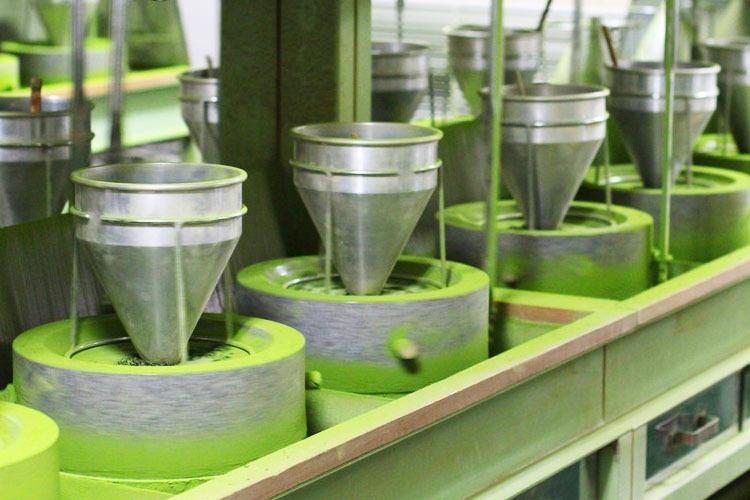
The Matcha Production Process: How B2B Matcha Powder is Manufactured
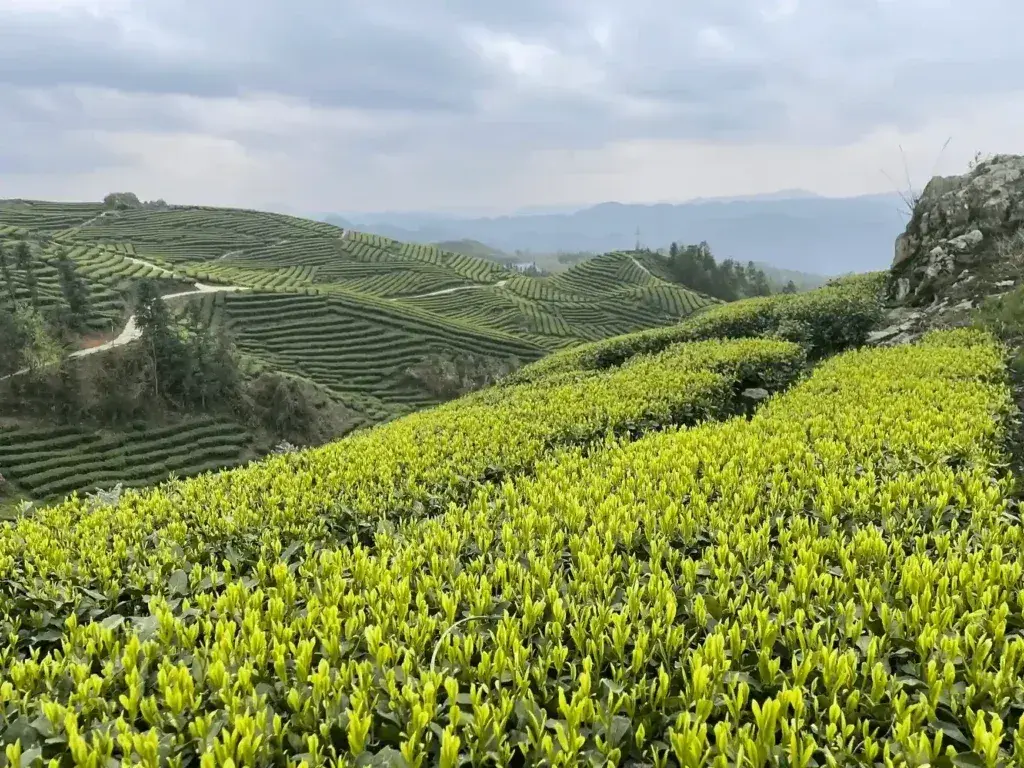
Matcha Tea Garden Management: Cultivating Premium Leaves for Wholesale