Matcha Tea Garden Management: Cultivating Premium Leaves for Wholesale
How is premium matcha cultivated? Learn about soil management, Tana shading, and organic farming practices at our Orisen Tea garden in Hunan, China.
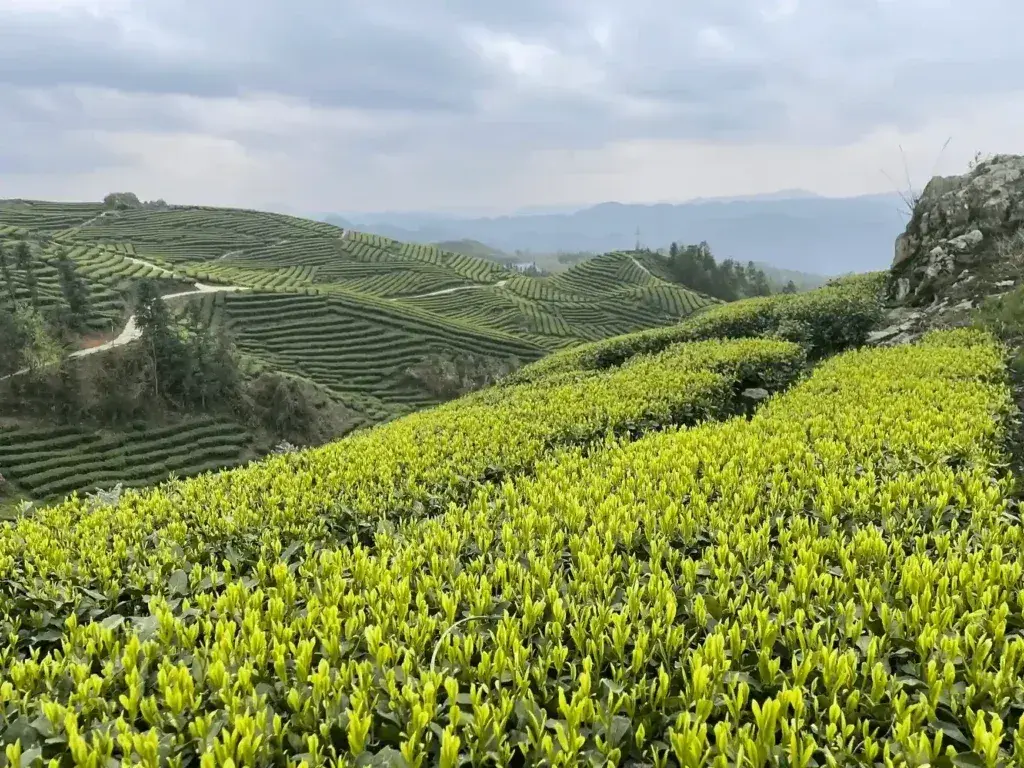
Table of Contents
Need Samples for R&D or Formulation?
We provide free samples of Ceremonial, Premium, and Culinary grade matcha for commercial testing.
The journey of premium wholesale matcha begins in the soil. The agricultural management of a matcha tea garden is a highly specialized craft that directly determines the final quality, color, and flavor of the tea powder. For B2B buyers, understanding these agricultural practices is essential for verifying the quality, safety, and sustainability of their supply chain. Here is an in-depth look at how premium tea leaves are cultivated for wholesale matcha production, focusing on soil management, shading infrastructure, and sustainable farming practices.
1. Soil Health and Fertilization Management
Matcha tea plants (primarily cultivars of Camellia sinensis like Yabukita, Okumidori, and Shizu713) require nutrient-rich, well-drained, acidic soil with a pH between 4.5 and 5.5. To produce the high levels of amino acids (particularly L-theanine) that give matcha its signature sweet, umami taste, farmers apply specialized organic fertilizers. Nitrogen-rich organic fertilizers, such as rapeseed meal and organic compost, are applied throughout the year to stimulate vegetative growth and enhance the nutrient profile of the leaves. The nitrogen absorbed by the roots is synthesized into L-theanine, which travels up to the leaves, forming the foundation of matcha's unique flavor.
2. The Shading Infrastructure (Tana Shading Method)
Shading is the defining step in matcha cultivation, distinguishing it from standard green tea. Approximately 20 to 30 days before the spring harvest, the tea fields are covered. Professional gardens use a frame structure (known as Tana shading) to suspend black netting above the plants, blocking 90% to 98% of sunlight. This light deprivation triggers several physiological changes in the tea plants:
- Chlorophyll Synthesis: The plants compensate for the lack of light by producing massive amounts of chlorophyll, turning the leaves a deep, vibrant green. This gives premium matcha its characteristic jade color.
- Amino Acid Accumulation: In direct sunlight, L-theanine (an amino acid synthesized in the roots) is converted into bitter catechins. Shading halts this conversion, allowing L-theanine to accumulate in the leaves, resulting in a sweet, umami flavor with minimal bitterness.
- Aroma Development: Shading alters the volatile compounds in the leaf, creating the unique "ooika" (shade aroma), which is fresh, grassy, and slightly sweet.
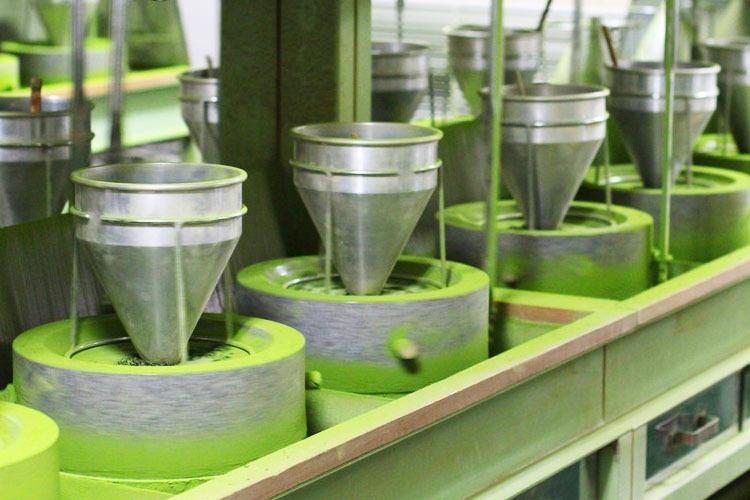
(Learn how these compounds are preserved during processing in The Matcha Production Process.)
3. Harvesting Cycles: First Flush vs. Later Flushes
The timing of the harvest determines the grade and application of the resulting matcha:
- First Flush (Spring Harvest): Harvested in late April to early May. These young, tender leaves contain the highest concentration of amino acids, nutrients, and chlorophyll. First flush leaves are reserved for Ceremonial Grade and Premium Drinking Grade matcha. (For a guide on evaluating these grades, see Matcha Quality Grading & Evaluation Standards.)
- Second Flush (Summer Harvest): Harvested in June or July. Due to warmer temperatures and stronger sunlight, these leaves grow faster and contain more catechins (bitterness) and less L-theanine. This harvest is typically processed into Culinary Grade matcha, which has a stronger, more robust flavor suitable for baking and blending.
- Autumn Harvest: Harvested in September or October. These leaves are coarser and are typically used for lower-grade culinary matcha or blended products.
4. Sustainable and Organic Agricultural Practices
Modern global B2B buyers demand strict safety standards and environmental responsibility. Leading tea gardens implement Integrated Pest Management (IPM), which combines biological controls, physical barriers, and minimal chemical inputs to manage pests. At Orisen Tea, our gardens are managed under strict organic standards, ensuring compliance with USDA Organic, EU Organic, and other international food safety regulations regarding pesticide residues and heavy metals. This includes regular soil testing and water quality monitoring to prevent environmental contamination.
5. B2B Sourcing Implications: Traceability & Audits
For large-scale food and beverage brands, supply chain traceability is non-negotiable. Sourcing from a supplier that owns and manages its tea gardens guarantees full traceability from soil to finished powder. This allows B2B buyers to conduct garden audits, verify agricultural practices, and ensure that the raw materials are free from chemical contamination, heavy metals, and environmental pollutants. (Read our Private Label & OEM Sourcing Guide for compliance details.)
6. FAQ: Matcha Tea Garden Management
Q1: Why is shading necessary for matcha cultivation?
Shading is necessary to block sunlight, which prevents the sweet amino acid L-theanine from converting into bitter catechins. It also forces the plant to produce more chlorophyll, giving matcha its vibrant green color and unique shade aroma (ooika).
Q2: How does soil pH affect tea plant growth?
Tea plants thrive in acidic soils (pH 4.5 - 5.5). If the soil pH is too high (alkaline), the plants cannot absorb essential nutrients like iron and manganese, leading to yellowing leaves (chlorosis) and poor growth, which directly degrades the quality of the tea leaves.
Q3: What is the difference between first flush and second flush harvests?
First flush leaves are harvested in spring and are rich in amino acids and chlorophyll, resulting in a sweet, umami flavor and bright green color. Second flush leaves are harvested in summer and contain more catechins due to increased sunlight, resulting in a more bitter, robust flavor suitable for baking.
Direct Sourcing from Certified Tea Gardens
Hunan Orisen Biotech Co., Ltd. (Orisen Tea) manages its own shade-grown tea gardens in the high-altitude regions of Hunan, China. The unique microclimate, characterized by mist, fertile soil, and optimal temperature fluctuations, provides the perfect environment for cultivating premium tea leaves. By controlling the supply chain from soil to powder, we guarantee stable pricing, consistent quality, and full traceability. Contact us today to request a garden audit report or product specifications.
Interested in Sourcing Premium Matcha Powder?
Hunan Orisen Biotech Co., Ltd. is a certified factory source. Contact us for bulk wholesale pricing, custom formulation, or OEM private label packaging.
Related Articles
The Matcha Production Process: How B2B Matcha Powder is Manufactured
The History & Origin of Matcha: From Ancient China to B2B Global Supply