Matcha Quality Grading & Evaluation Standards: A B2B Buyer's Guide
How do professional B2B buyers evaluate wholesale matcha powder quality? Learn about color, taste, particle size, and food safety certifications.
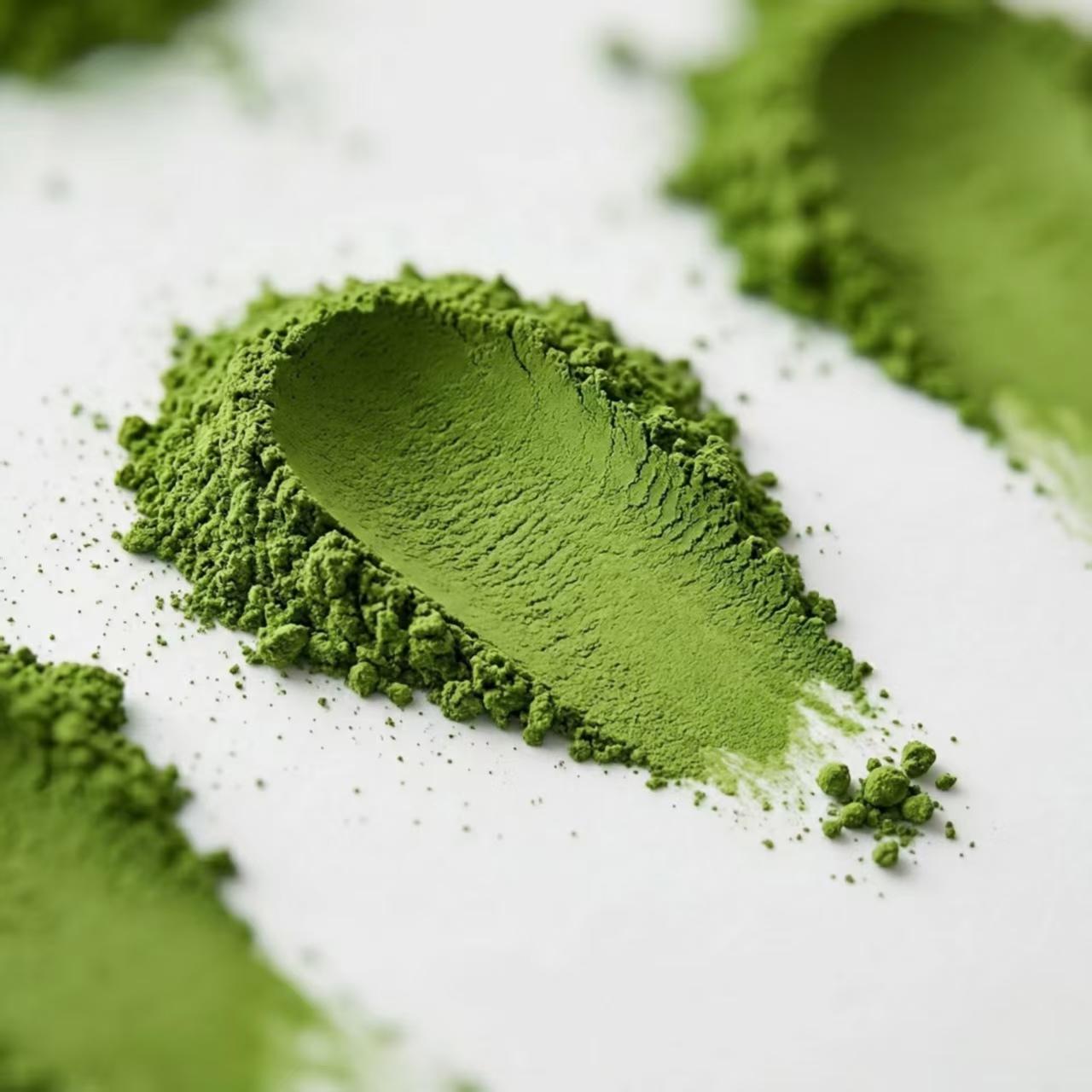
Table of Contents
Need Samples for R&D or Formulation?
We provide free samples of Ceremonial, Premium, and Culinary grade matcha for commercial testing.
For B2B buyers, food manufacturers, beverage brands, and dietary supplement companies, sourcing wholesale matcha powder is a complex process. Unlike standard loose-leaf teas, matcha is a powdered product, which makes visual and sensory assessment more challenging. Sourcing the wrong grade or quality can lead to poor product performance, off-flavors, visual degradation (browning), or, in the worst cases, regulatory rejection due to non-compliance with food safety standards. This comprehensive buyer's guide outlines the sensory, physical, chemical, and regulatory standards required to evaluate wholesale matcha powder quality and ensure a secure, high-performing supply chain.
1. The Four Pillars of Sensory Evaluation
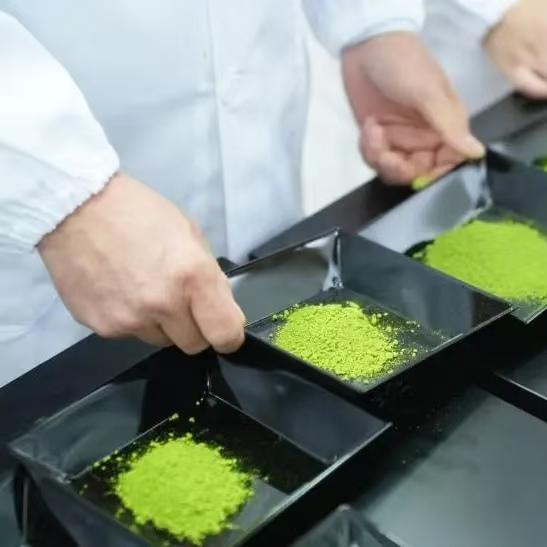
Sensory evaluation remains the first line of defense for B2B buyers. Professional tea tasters and quality control managers evaluate matcha using four primary sensory criteria:
A. Color (Dry Powder and Whisked Liquid)
Color is the most immediate indicator of matcha quality.
- Vibrant Jade Green: Indicates high-quality matcha made from young, shade-grown spring leaves (first flush). The intense green comes from high chlorophyll content.
- Dull, Yellowish, or Brownish Green: Indicates lower-grade matcha. This color suggests that the leaves were harvested from lower parts of the plant, were not shaded for the required 20-30 days, were harvested in summer/autumn (later flushes), or have oxidized due to poor processing or storage. (See how processing affects color in The Matcha Production Process.)
- Whisked Color: When whisked with water at 80°C, the resulting liquid and foam should maintain a bright, creamy green color. A yellowish or muddy appearance indicates lower quality.
B. Aroma and Flavor Profile
The flavor of matcha is determined by the balance of amino acids (specifically L-theanine) and catechins.
- Umami and Sweetness: Premium and Ceremonial grades should have a rich, sweet, savory umami taste with virtually no bitterness. This is due to high L-theanine levels accumulated during the shading process.
- Astringency and Bitterness: Culinary grades have a higher concentration of catechins (antioxidants), which introduce a pleasant astringency and bitterness. While undesirable for drinking straight, this robust flavor is necessary for baking and beverage blending to cut through milk, sugar, and flour.
- Aroma (Ooika): High-quality matcha exhibits a fresh, grassy, slightly sweet, and creamy aroma (known in Japanese as "ooika" or shade aroma). It should never smell dusty, stale, burnt, or metallic.
C. Texture and Particle Size
The physical feel of the powder determines its solubility and mouthfeel.
- Micro-Fine Powder: Premium matcha is ground to a particle size of 5 to 10 microns (finer than baby powder). When rubbed between the fingers, it should feel silky and smooth, leaving a clean green streak on the skin. (Learn how particle size affects RTD beverage formulation in Formulating RTD Matcha Beverages.)
- Gritty Texture: Lower-grade matcha or poorly milled green tea powder has a larger particle size (15-30 microns or more). It feels gritty when rubbed and will settle rapidly when mixed with liquids, creating a sandy mouthfeel.
D. Froth and Foam Quality
When whisked traditionally, high-quality matcha produces a thick, creamy layer of foam with micro-bubbles. This is due to the natural presence of tea saponins. Coarse bubbles that pop quickly indicate a lower concentration of active compounds or a larger particle size that prevents stable suspension.
2. Chemical and Physical Analysis (Laboratory Standards)
While sensory evaluation is essential, B2B sourcing requires objective laboratory testing to ensure consistency across batches. A professional supplier should provide a Certificate of Analysis (COA) for every batch containing the following physical and chemical parameters:
| Parameter | Standard Limit | B2B Significance |
|---|---|---|
| Moisture Content | < 5.0% | Prevents microbial growth, mold, and rapid oxidation (browning). |
| Total Ash | < 7.0% | Indicates purity; high ash suggests contamination with stems, soil, or dust. |
| Particle Size | D90 < 10 microns | Ensures smooth suspension in RTD drinks and excellent mouthfeel. |
| L-Theanine Content | > 1.5% (Ceremonial > 2.0%) | Verifies the shading duration and the authentic umami flavor profile. |
| Total Catechins | 10% - 15% | Measures antioxidant potency (EGCG) for health and wellness claims. |
3. Food Safety & Global Compliance (The Regulatory Checklist)
Importing bulk food ingredients requires strict compliance with the regulations of the destination market (e.g., FDA in the US, EFSA in the EU). B2B buyers must verify that their supplier meets the following standards. If you are looking to launch your own retail brand with fully certified packaging, explore our OEM Private Label Packaging Solutions.
A. Pesticide Residue Limits (MRLs)
Tea plants are susceptible to pests, making pesticide management critical. The European Union has some of the world's strictest Maximum Residue Limits (MRLs) for tea. Suppliers must provide third-party laboratory reports (such as Eurofins or SGS) showing compliance with the specific MRLs of the importing country. For organic-certified matcha, pesticide residues must be completely non-detectable. (Compare compliance standards between origins in our Chinese vs. Japanese Matcha Guide.)
B. Heavy Metal Contamination
Tea plants naturally absorb minerals from the soil, which can include heavy metals. B2B specifications must enforce strict limits:
- Lead (Pb): < 2.0 mg/kg (some markets require < 1.0 mg/kg)
- Arsenic (As): < 0.2 mg/kg
- Cadmium (Cd): < 0.2 mg/kg
C. Microbiological Limits
Because matcha is consumed as a raw powder without boiling in many applications (like smoothies or cold lattes), microbiological safety is paramount:
- Total Plate Count (TPC): < 10,000 CFU/g (for sensitive applications, < 1,000 CFU/g)
- Yeast & Mold: < 100 CFU/g
- Coliforms: Negative / < 10 CFU/g
- Salmonella & E. coli: Negative in 25g
4. Adulteration & Quality Fraud: How to Detect Fake Matcha
Due to the high price of authentic matcha, market adulteration is a common issue. Lower-grade green tea powders are often mislabeled as "matcha." Here are three simple tests B2B buyers can perform in their own quality labs to detect adulteration:
A. The Rub Test (Texture Check)
Smear a small amount of matcha powder onto a clean sheet of white paper using your index finger. Authentic, micro-fine matcha will leave a smooth, continuous, vibrant green line. Adulterated or standard green tea powder will feel gritty, leave a rough, broken line, and show visible yellow-brown specks of leaf veins.
B. The Water Solubility and Sedimentation Test
Mix 2 grams of powder with 100ml of cold water in a transparent glass and stir vigorously.
- Authentic Matcha: Suspends evenly, forming a uniform green liquid that remains suspended for several minutes before slowly settling.
- Adulterated Green Tea Powder: Settles almost immediately to the bottom of the glass, leaving a clear liquid layer at the top, indicating a large particle size and lack of proper milling.
C. The Acid Test (Color Stability)
Add a few drops of lemon juice or vinegar to a prepared matcha liquid. Authentic matcha will slowly change color over several hours due to natural pH shifts. If the liquid remains artificially bright green instantly and permanently, it may contain added copper chlorophyllin or other synthetic green colorants.
5. FAQ: B2B Matcha Sourcing & Quality Control
Q1: What is the difference between Ceremonial and Culinary grade matcha in terms of chemical composition?
Ceremonial grade matcha is made from the first spring harvest, shaded for 30 days, and has the stems and veins completely removed. Chemically, it has significantly higher levels of L-theanine (amino acids) and chlorophyll, and lower levels of catechins (tannins). (Learn about garden harvesting cycles in Matcha Tea Garden Management.) Culinary grade matcha, harvested in summer, contains fewer amino acids and higher levels of catechins, resulting in a more bitter, astringent flavor and a slightly darker green color, which is ideal for cutting through dairy and sugar in food formulations.
Q2: Why does some culinary matcha taste extremely bitter, and how do we avoid it?
Extreme bitterness usually indicates that the raw material was not shaded properly (or at all), or that the stems and veins were not removed during the sorting process (creating "Aracha" powder instead of "Tencha" powder). To avoid this, B2B buyers should specify that they require "100% Tencha-derived matcha" and request the L-theanine content percentage in the COA.
Q3: What documentation should I request from a wholesale matcha supplier before ordering?
Before placing a commercial order, you should request: 1) A batch-specific Certificate of Analysis (COA) covering moisture, ash, heavy metals, and microbiology; 2) A third-party pesticide residue test report (SGS or Eurofins); 3) Copies of food safety certifications (ISO22000/HACCP/FDA); 4) Organic certificates (USDA/EU) if purchasing organic lines; 5) Product specification sheets detailing the raw material origin and harvest season.
Partner with a Certified Matcha Supplier
At Hunan Orisen Biotech Co., Ltd. (Orisen Tea), we understand the strict quality demands of global B2B buyers. We manage our own shade-grown tea gardens and operate a certified processing facility. Every batch of our wholesale matcha powder undergoes rigorous quality control and is shipped with a complete Certificate of Analysis (COA) and SGS pesticide reports. We offer free samples of our Ceremonial, Premium, and Culinary grades for commercial evaluation and formulation testing. Contact our sales team today to request your sample kit and technical specifications.
Interested in Sourcing Premium Matcha Powder?
Hunan Orisen Biotech Co., Ltd. is a certified factory source. Contact us for bulk wholesale pricing, custom formulation, or OEM private label packaging.
Related Articles
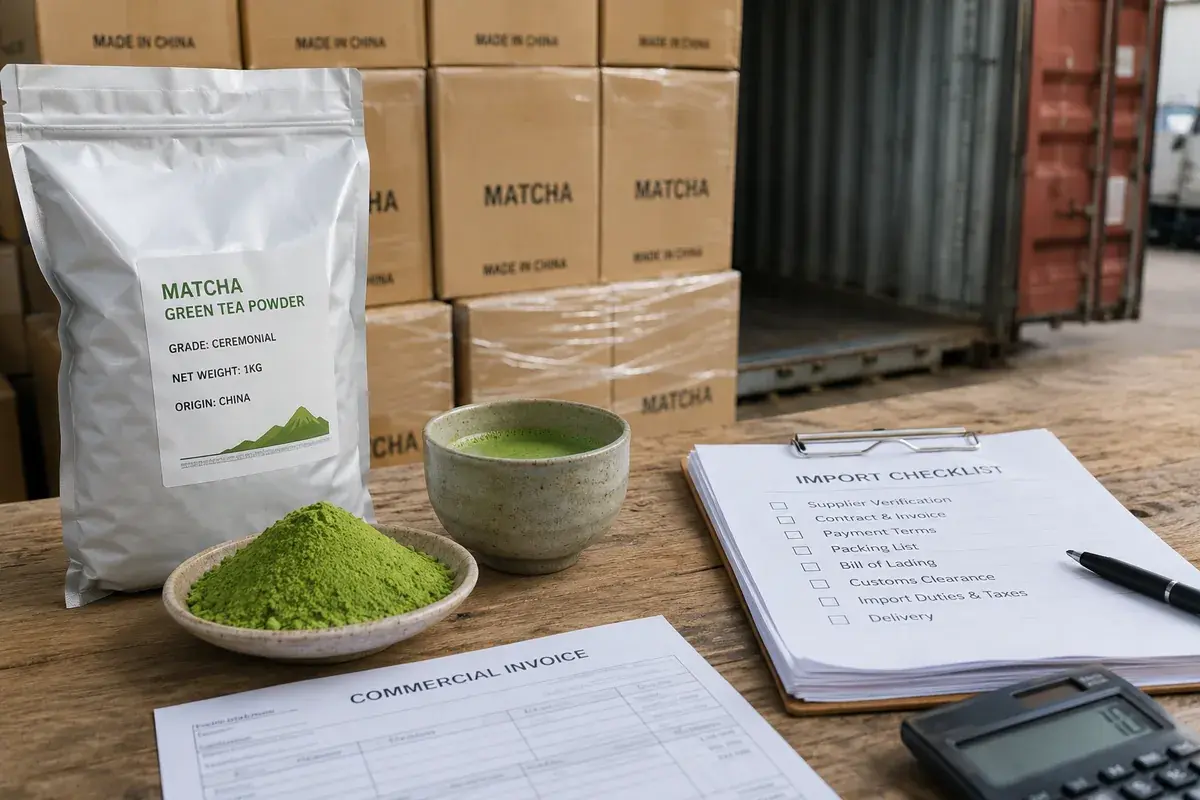
How to Import Bulk Matcha from China: A Step-by-Step B2B Sourcing & Customs Guide