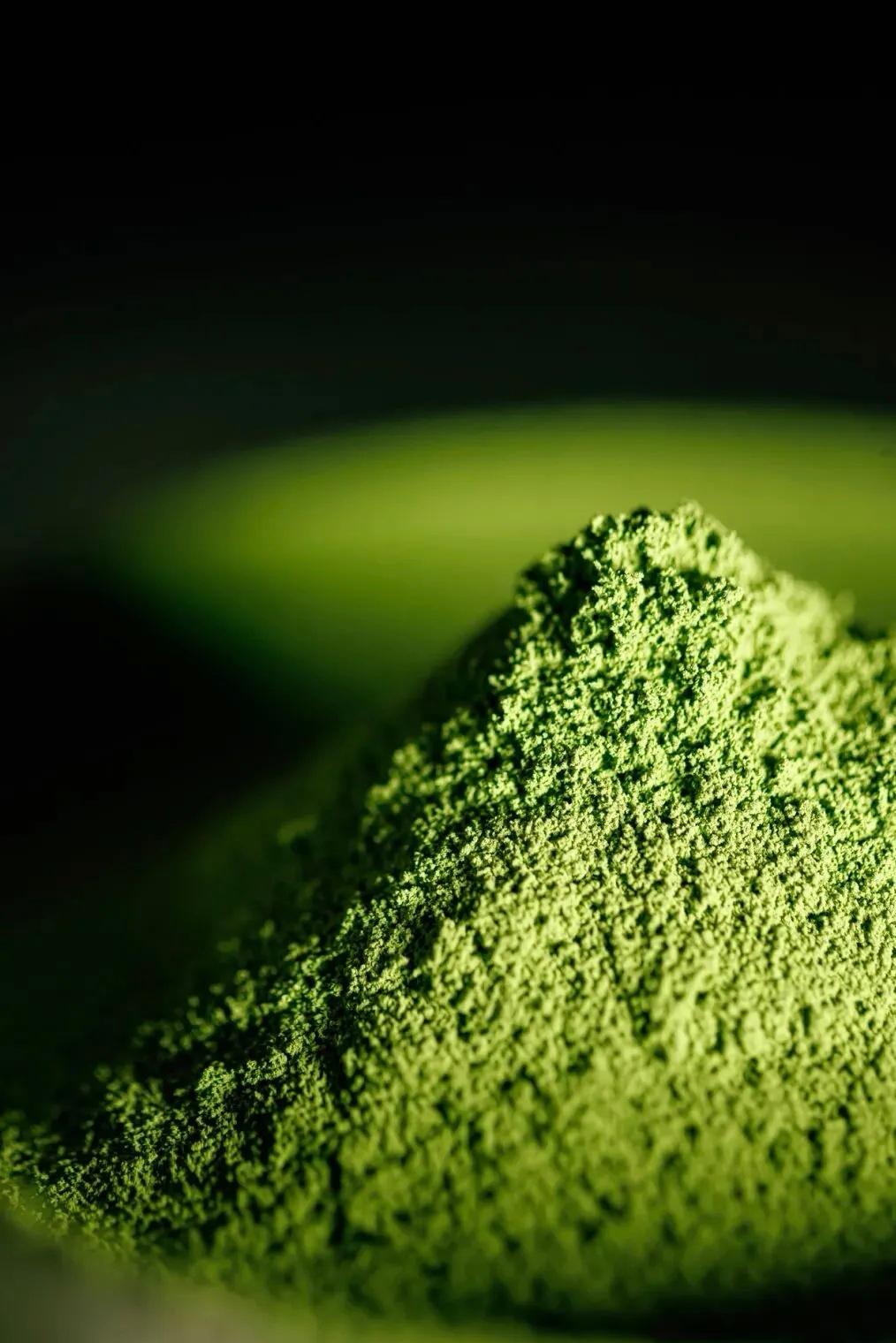
The Matcha Production Process: How B2B Matcha Powder is Manufactured
Step-by-step industrial manufacturing process of wholesale matcha powder: steaming, cooling, drying, de-veining, blending, and fine grinding.
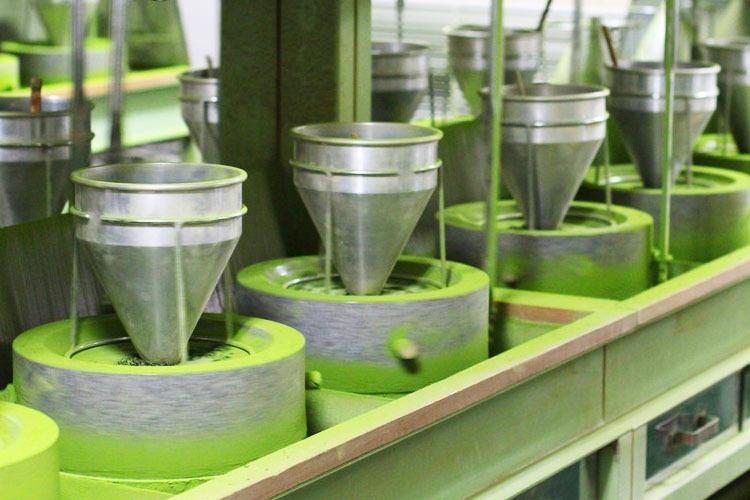
Table of Contents
Need Samples for R&D or Formulation?
We provide free samples of Ceremonial, Premium, and Culinary grade matcha for commercial testing.
The transformation of fresh green tea leaves into vibrant, micro-fine matcha powder is a sophisticated process combining traditional craftsmanship with modern food engineering. For B2B buyers, understanding the manufacturing journey is key to selecting the right supplier. The quality of the final matcha powder depends heavily on temperature control, hygiene standards, and processing precision at each stage. Here is the step-by-step manufacturing process of wholesale matcha powder, detailing how raw leaves are processed into premium food and beverage ingredients.
1. Harvesting & Transport: The Starting Point
The manufacturing process begins in the shade-grown tea gardens. Once the leaves have completed their 20-30 days of shading, they are harvested. (Learn about shading techniques in Matcha Tea Garden Management.) For Ceremonial and Premium grades, only the young, tender top leaves (first flush) are harvested, typically in spring. For Culinary grades, leaves from later harvests (summer/autumn) are used. Once harvested, the fresh leaves must be transported to the processing facility within hours. Any delay or heat buildup during transport can trigger natural fermentation, which ruins the color and flavor of the tea.
2. Step 1: Steaming (Halting Oxidation)
Within hours of harvesting, the fresh leaves enter the processing line. They are immediately subjected to high-temperature steam (around 100°C) for 15 to 20 seconds. This crucial step deactivates the polyphenol oxidase enzymes, halting the oxidation process. Unlike black tea or oolong tea, which are oxidized, matcha remains unoxidized, locking in its vibrant green color, fresh grassy aroma, and high concentration of natural antioxidants (catechins and L-theanine).
3. Step 2: Cooling and Drying (The Tencha Furnace)
After steaming, the leaves are extremely moist and hot. They are blown upwards through cold air currents in a vertical cooling tower. This separates the damp leaves and prevents them from clumping or cooking in their own heat. The leaves then enter a multi-stage drying furnace (known as a Tencha furnace). Over several hours, the leaves are dried at controlled temperatures without being rolled. This flat-drying method is unique to matcha; regular green tea (like Sencha) is rolled during drying, which breaks the cell walls and releases juices, whereas matcha leaves are kept flat to preserve the integrity of the leaf flesh.
4. Step 3: De-veining and Sorting (Creating Tencha)
Once dried, the leaves are brittle and are referred to as "Aracha" (rough tea). To make matcha, the stems and veins must be removed, as they contain less chlorophyll, are fibrous, and introduce a bitter, woody taste. The Aracha is passed through specialized sorting machines, including wind tunnels, mechanical cutters, and color sorters, which separate the tender leaf flesh from the stems and veins. The resulting pure leaf flakes are called Tencha, which is the raw material for matcha.
5. Step 4: Blending for Consistency
Because tea is an agricultural product, different harvests, fields, and weather conditions yield variations in color, aroma, and flavor. For B2B supply chains, consistency is paramount. Master tea blenders evaluate different batches of Tencha and blend them according to proprietary recipes. This ensures that the matcha supplied to food and beverage manufacturers remains identical in color, taste, and performance throughout the year, protecting the brand's product consistency.
6. Step 5: Fine Grinding (Stone Milling vs. Jet Milling)
The final step is grinding the Tencha into a micro-fine powder. Two main methods are used depending on the target grade and application:
- Granite Stone Milling: Used primarily for Ceremonial Grade matcha. The Tencha is ground between slowly rotating granite stones. This traditional method generates minimal heat, preserving the delicate amino acids and bright green color, but has a low throughput (about 30-40 grams per hour per mill).
- Advanced Jet Milling / Micro-Milling: Used for Premium and Culinary grades. High-speed air jets collide the tea particles, pulverizing them into a fine powder. Modern jet mills are equipped with water-cooling jackets to keep temperatures below 40°C, preventing heat-induced oxidation and preserving the sensory qualities of the matcha at a commercial scale. (For details on how particle size affects beverage stability, read Formulating RTD Matcha Beverages.)
7. Quality Control and Food Safety Checkpoints
Throughout the manufacturing process, strict quality control measures are implemented, including metal detection (to remove any metallic particles from grinding), moisture analysis (ensuring moisture is below 5% to prevent microbial growth), and microbiological testing. This guarantees that the bulk matcha powder meets global food safety standards for import and consumption.
8. FAQ: Matcha Production Process
Q1: Why are stems and veins removed during matcha processing?
Stems and veins contain very little chlorophyll and are rich in cellulose and woody fibers. If ground into the powder, they would dilute the vibrant green color, introduce a bitter, woody taste, and make the powder gritty, reducing its solubility and mouthfeel in beverages.
Q2: What is the difference between stone-milled and jet-milled matcha?
Stone milling is a slow, traditional process that produces extremely round, fine particles (5-8 microns) with minimal heat, ideal for drinking straight. Jet milling is a high-speed, modern process that uses compressed air to pulverize the leaves. While it has a much higher throughput, it requires advanced water-cooling systems to prevent heat from burning the tea. Jet-milled matcha is highly cost-effective and ideal for large-scale B2B food and beverage applications. (Compare sourcing options in our Chinese vs. Japanese Matcha Guide.)
Q3: How does steaming affect the nutritional value of matcha?
Steaming halts the oxidation process immediately after harvest. By deactivating the enzymes, steaming preserves the high levels of catechins (antioxidants) and L-theanine (amino acids) in their natural state, preventing them from converting into other compounds as they would in black or oolong tea.
Source Directly from a Certified Matcha Factory
Hunan Orisen Biotech Co., Ltd. (Orisen Tea) operates a state-of-the-art processing facility with strict quality control. We offer bulk wholesale matcha and private label OEM solutions with global certifications (FDA, EU, Halal, ISO22000). Contact our sales team today to request a factory tour, technical specifications, or free samples.
Interested in Sourcing Premium Matcha Powder?
Hunan Orisen Biotech Co., Ltd. is a certified factory source. Contact us for bulk wholesale pricing, custom formulation, or OEM private label packaging.
Related Articles
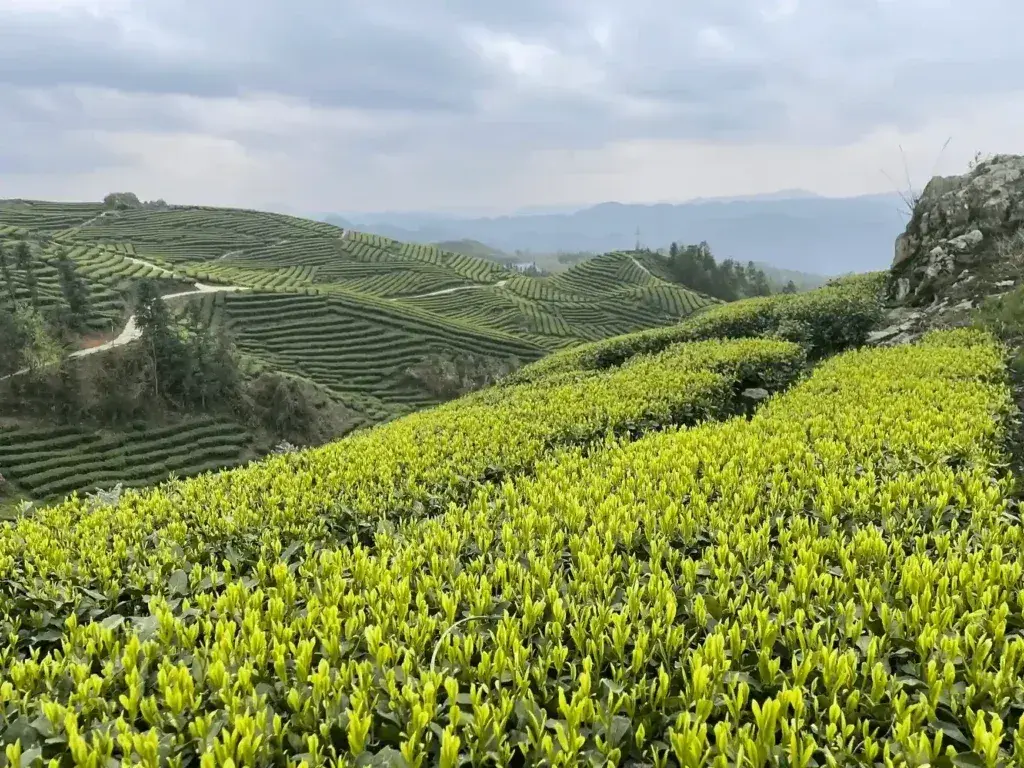
Matcha Tea Garden Management: Cultivating Premium Leaves for Wholesale
The History & Origin of Matcha: From Ancient China to B2B Global Supply