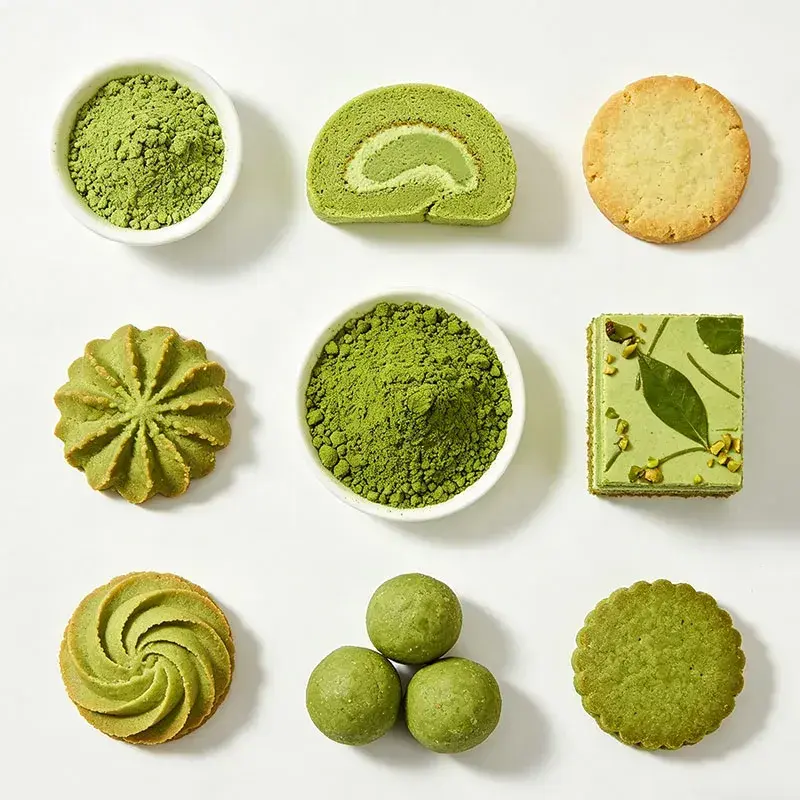
Matcha Application Scenarios: B2B Food, Beverage & Wellness Solutions
Explore commercial B2B applications of wholesale matcha powder in lattes, RTD drinks, bakery, confectionery, and dietary supplements.
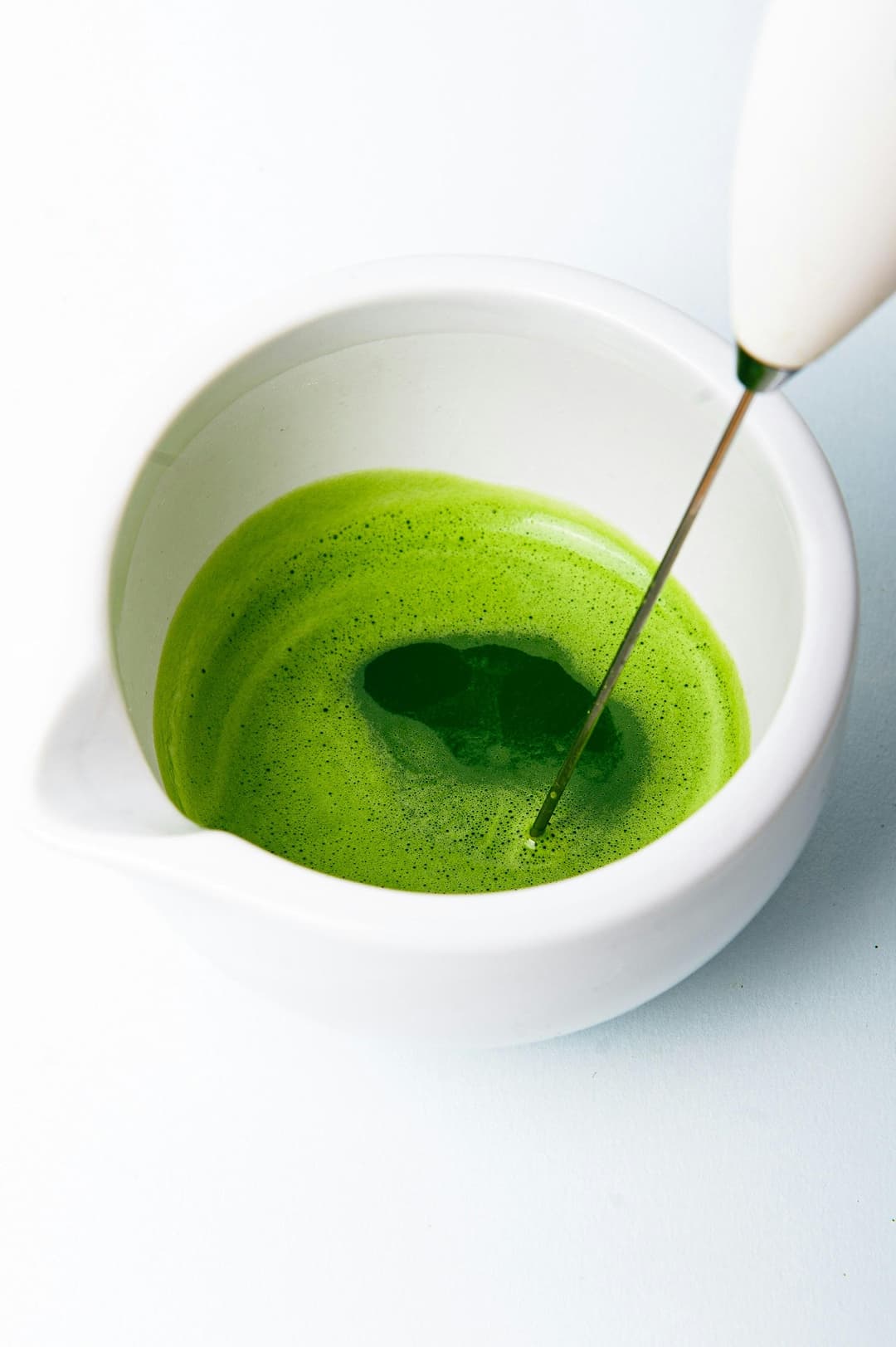
Table of Contents
Need Samples for R&D or Formulation?
We provide free samples of Ceremonial, Premium, and Culinary grade matcha for commercial testing.
Matcha has evolved from a traditional ceremonial beverage into one of the most versatile and high-demand ingredients in the global food, beverage, and wellness industries. Its unique combination of vibrant green color, rich umami flavor, and functional health benefits has driven its adoption across multiple product categories. For B2B buyers, food scientists, and product developers, understanding these diverse applications is essential for selecting the correct matcha grade, optimizing product formulations, and balancing the Cost of Goods Sold (COGS) with sensory performance. This comprehensive guide explores the commercial applications of wholesale matcha powder and provides technical formulation insights for product developers.
1. The Beverage Industry: Lattes, RTD, and Smoothies
Beverages represent the largest and fastest-growing market segment for wholesale matcha powder. The ingredient's versatility allows it to be formulated into various drink formats, each requiring specific grades and processing techniques. For a detailed breakdown of our beverage-specific grades and technical support, explore our dedicated Beverages & Cafes Solutions.
A. Matcha Lattes (Cafe & Foodservice Chains)
Matcha lattes are a staple in cafe chains worldwide. The primary formulation challenge is ensuring the matcha flavor and color can cut through dairy or plant-based milks (such as oat, almond, or soy) without being overpowered.
Recommended Grade: Premium Drinking Grade or High-Quality Culinary Grade.
Recommended Dosage: 1.5% to 2.5% (approx. 3g to 5g per 12oz serving).
Formulation Tip: Oat milk is highly recommended as its natural sweetness complements the umami profile of matcha, whereas dairy milk can slightly mask the delicate tea notes due to milk proteins binding with tea catechins.
B. Ready-to-Drink (RTD) Canned & Bottled Beverages
RTD matcha beverages, including iced lattes, sparkling matcha, and cold-brew infusions, are expanding rapidly in retail channels.
Recommended Grade: Premium Drinking Grade (micro-milled).
Recommended Dosage: 0.8% to 1.5% (approx. 2g to 4g per 250ml can).
Formulation Tip: Because matcha is a suspended powder rather than a soluble extract, it tends to settle. Manufacturers must use a particle size of 5-8 microns and incorporate hydrocolloids (such as gellan gum or acacia gum at 0.02%-0.05%) to maintain suspension. (For a complete formulation breakdown, see our guide on Formulating RTD Matcha Beverages.) Nitrogen flushing during canning is also recommended to prevent oxidation and browning.
C. Energy Drinks and Smoothies
Matcha is a popular clean-label alternative to synthetic caffeine in energy drinks, providing a natural source of caffeine combined with L-theanine for sustained energy.
Recommended Grade: Culinary Grade A or Premium Grade.
Recommended Dosage: 1.0% to 2.0% in smoothies; 0.5% to 1.0% in clear energy drinks (filtered).
2. Bakery, Confectionery, and Frozen Desserts
Matcha's natural coloring properties and complex flavor profile make it highly sought after by commercial bakers and confectioners. It acts as both a natural green colorant and a primary flavor profile. For technical support on maintaining color under high temperatures, check out our Bakery & Confectionery Solutions.
A. Baked Goods (Cakes, Cookies, Croissants, Macarons)
The heat of baking can cause chlorophyll to degrade, turning the product from a vibrant green to a dull yellowish-brown.
Recommended Grade: Heat-Stable Culinary Grade.
Recommended Dosage: 2.0% to 4.0% of the total flour weight.
Formulation Tip: Sourcing a robust Culinary Grade matcha harvested in the second flush is ideal. These leaves contain more catechins, which provide a stronger flavor that survives the baking process. Keeping baking temperatures below 160°C (320°F) and adjusting the pH of the batter to neutral or slightly alkaline (using baking soda) helps preserve the green color. (Read more about the chemical reactions in The Chemistry of Matcha in Baking.)
B. Confectionery (Chocolates, Truffles, Fillings)
The bitterness of matcha pairs exceptionally well with the sweetness of white chocolate and cocoa butter.
Recommended Grade: Culinary Grade A or Premium Grade.
Recommended Dosage: 3.0% to 5.0% in chocolate formulations.
Formulation Tip: Moisture control is critical in chocolate manufacturing to prevent seizing. The moisture content of the bulk matcha powder must be strictly below 4.0%.
C. Frozen Desserts (Ice Cream, Gelato, Soft Serve)
Cold temperatures dampen human flavor perception, meaning a stronger flavor profile is required to ensure the taste comes through clearly. For specific ice cream base formulations, view our Frozen Desserts Solutions.
Recommended Grade: Premium Culinary Grade.
Recommended Dosage: 1.5% to 3.0% of the ice cream base.
Formulation Tip: A grade with a balanced umami and moderate bitterness is preferred to create the classic "Matcha Ice Cream" flavor profile that consumers expect.
3. Health, Wellness, and Nutraceuticals
Due to its high concentration of bioactive compounds, matcha is a key ingredient in the functional food and supplement sectors. For organic certifications and heavy metal test reports, see our Nutraceuticals & Cosmetics Solutions.
A. Superfood Blends & Protein Powders
Matcha is frequently blended with plant-based proteins (such as pea or rice protein), whey, collagen, or other green superfoods to enhance the antioxidant profile and provide a natural green color.
Recommended Grade: Culinary Grade B or Organic Culinary Grade.
Recommended Dosage: 5.0% to 10.0% of the blend.
B. Dietary Supplements (Capsules and Tablets)
Encapsulated matcha powder or concentrated green tea extracts standardized for EGCG (epigallocatechin gallate) content, targeting metabolism, weight management, and antioxidant support.
Recommended Grade: Standard Organic Culinary Grade.
Recommended Dosage: 500mg to 1000mg per serving.
C. Cosmetics & Skincare
Matcha's anti-inflammatory and antioxidant properties make it a popular addition to clay masks, facial cleansers, and soothing creams.
Recommended Grade: Cosmetic Grade (Culinary Grade B with strict microbiological control).
Recommended Dosage: 1.0% to 5.0% in topical formulations.
4. B2B Application & Grade Selection Matrix
Choosing the right grade is critical for balancing product quality and cost-of-goods-sold (COGS): (For a complete guide on how these grades are defined, see What is Matcha Powder?)
Application | Recommended Grade | Dosage (%) | Key Challenge | Solution |
|---|---|---|---|---|
Traditional Drinking | Ceremonial Grade | 1.5% - 2.0% | Bitterness, grittiness | Use stone-ground first-flush spring leaves with high L-theanine. |
Matcha Lattes | Premium Drinking Grade | 1.5% - 2.5% | Color fading in milk | Select a grade with high chlorophyll and balanced astringency. |
RTD Beverages | Premium Grade (Micro-milled) | 0.8% - 1.5% | Sedimentation, oxidation | Use 5-8 micron particle size, add gellan gum, and flush with nitrogen. |
Baking & Cookies | Culinary Grade A (Heat-Stable) | 2.0% - 4.0% | Browning during baking | Bake at lower temperatures (<160°C) and maintain neutral pH. |
Ice Cream & Dairy | Premium Culinary Grade | 1.5% - 3.0% | Flavor suppression by cold | Use a second-flush grade with robust flavor and moderate bitterness. |
Nutraceuticals | Organic Culinary Grade B | 5.0% - 10.0% | Heavy metals, pesticides | Source certified organic matcha with strict heavy metal testing. |
5. Industrial Processing Challenges & Solutions
When scaling up matcha formulations to industrial production lines, manufacturers encounter unique challenges:
A. Preventing Oxidation in Liquid Lines
Once mixed with water, matcha oxidizes rapidly, turning from green to brown and developing a stale taste.
Solution: Keep processing temperatures as low as possible. Add natural antioxidants like ascorbic acid (Vitamin C) at 0.02% to 0.05% to act as an oxygen scavenger. Ensure the packaging is completely opaque and gas-impermeable.
B. Managing Particle Size and Dispersion
Matcha powder is hydrophobic and tends to clump when added to liquids.
Solution: Use high-shear mixers or colloid mills to ensure complete dispersion. Pre-blending the matcha powder with other dry ingredients (like sugar or milk powder) before adding it to the liquid phase also helps prevent clumping.
6. FAQ: B2B Matcha Formulation
Q1: What is the recommended dosage of matcha powder in a commercial matcha latte formulation?
For a standard 12oz (approx. 350ml) commercial matcha latte, the recommended dosage is 3 to 4 grams (approx. 1.0% to 1.2% of the total liquid weight) of Premium Drinking Grade matcha. If using a pre-sweetened matcha mix, the dosage will need to be adjusted higher (typically 15 to 20 grams) depending on the sugar-to-matcha ratio.
Q2: How does UHT (Ultra-High Temperature) pasteurization affect matcha color, and how can we minimize browning?
UHT pasteurization exposes the liquid to temperatures exceeding 135°C (275°F) for a few seconds. This intense heat causes rapid chlorophyll degradation. To minimize browning: 1) Use a high-chlorophyll premium grade; 2) Add a small amount of sodium copper chlorophyllin (if permitted by local regulations) or natural green extracts; 3) Ensure rapid cooling immediately after the heating cycle; 4) Store the finished product in a cold chain (4°C) to slow down post-processing color degradation.
Q3: Can we use Culinary Grade matcha for drinking, or is it strictly for baking?
While Culinary Grade matcha is formulated to be robust and astringent to withstand baking and blending, it can be used for drinking, particularly in iced drinks, smoothies, or lattes where milk and sweeteners are added. However, it is not recommended for traditional whisked tea (Usucha) as the bitterness and astringency would be too intense for most consumers.
Your Trusted Bulk Matcha & OEM Partner
Hunan Orisen Biotech Co., Ltd. (Orisen Tea) is a leading manufacturer and exporter of high-quality wholesale matcha powder. We operate our own shade-grown tea gardens and state-of-the-art processing facilities, allowing us to offer customized grades, private label packaging (OEM/ODM), and bulk wholesale supply. All our products comply with international food safety standards, backed by FDA, EU Organic, Halal, and ISO22000 certifications. Contact our sales team today to request free samples and discuss your product specifications.
Interested in Sourcing Premium Matcha Powder?
Hunan Orisen Biotech Co., Ltd. is a certified factory source. Contact us for bulk wholesale pricing, custom formulation, or OEM private label packaging.
Related Articles
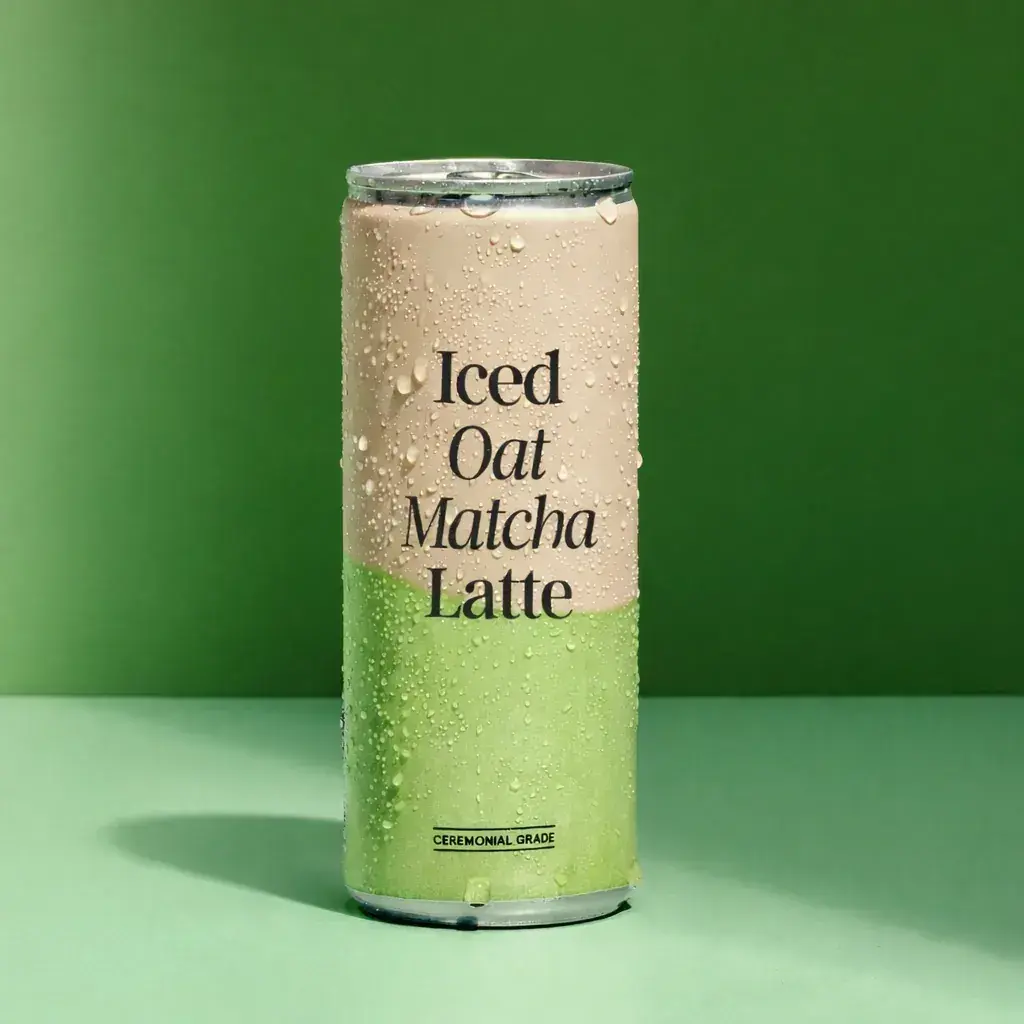
Formulating RTD Matcha Beverages: Industrial Solutions for Sedimentation and Oxidation