.svg)

Introduction
Over the past decade, matcha powder has transformed from a traditional tea ingredient into a global wellness phenomenon.
Today, matcha can be found in coffee shops, supermarkets, health food stores, nutritional supplements, ready-to-drink beverages, bakeries, and even skincare products. Consumers around the world are increasingly embracing matcha as part of a healthier lifestyle.
As demand continues to rise across North America, Europe, Southeast Asia, Australia, and the Middle East, industry experts consider matcha one of the fastest-growing superfoods in the global market.
But what exactly is driving this remarkable growth?
Let’s explore the key reasons behind the worldwide success of matcha powder.
1. Growing Demand for Healthier Food and Beverage Choices
Modern consumers are paying more attention than ever to what they eat and drink.
People are actively seeking products that support:
- Healthy lifestyles
- Natural nutrition
- Plant-based diets
- Clean-label ingredients
- Functional wellness benefits
Matcha aligns perfectly with these consumer preferences.
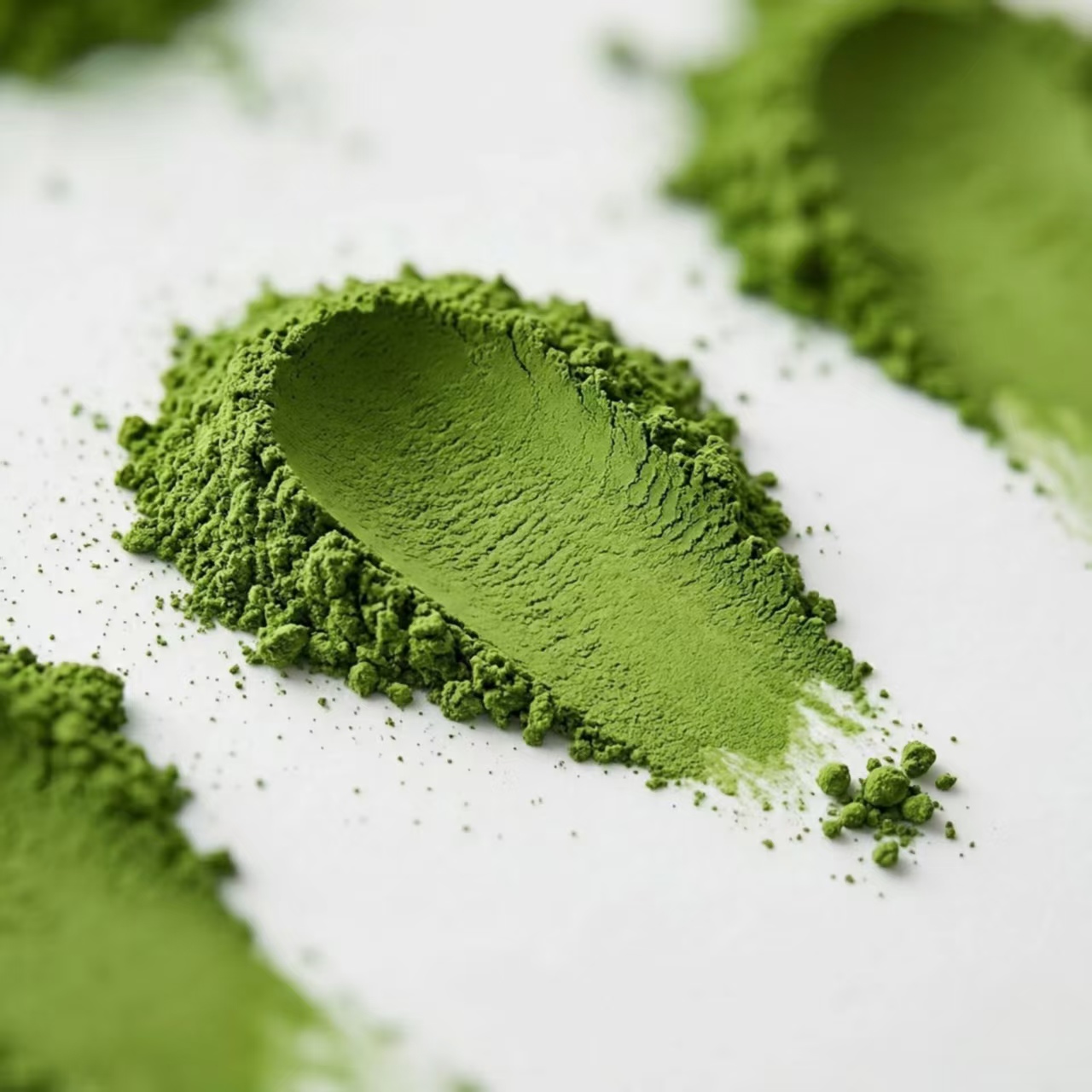
Unlike traditional tea, matcha is consumed as a finely ground powder made from whole tea leaves. This means consumers enjoy the entire leaf rather than simply drinking an infusion.
As a result, matcha has become highly attractive to health-conscious consumers looking for nutrient-rich alternatives to sugary beverages and highly processed products.
2. Matcha Fits Perfectly into the Functional Food Trend
One of the strongest forces driving the food industry today is the rise of functional foods and beverages.
Consumers increasingly expect products to offer benefits beyond basic nutrition.
Matcha is widely recognized for containing naturally occurring compounds such as:
- Catechins
- Polyphenols
- Amino acids
- Chlorophyll
- Plant-based antioxidants
Because of these naturally occurring components, matcha has become a popular ingredient in:
- Functional beverages
- Energy drinks
- Wellness supplements
- Nutrition products
- Health-focused snack foods
The growing functional food sector has significantly expanded the global market for matcha ingredients.
3. The Rise of Coffee Alternatives
Coffee remains one of the world’s most popular beverages, but many consumers are now exploring alternative options.
Younger generations, particularly Millennials and Gen Z consumers, are increasingly interested in beverages that provide a different flavor experience while supporting wellness-oriented lifestyles.
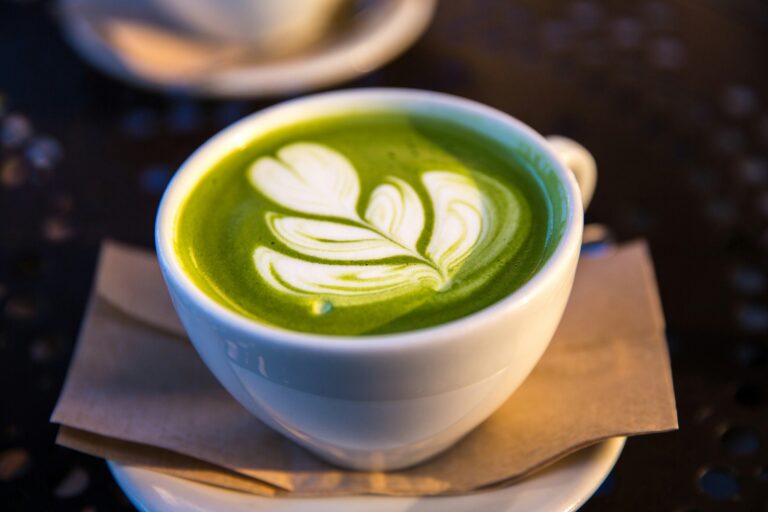
Matcha lattes have become a staple offering in cafés worldwide.
Major coffee chains, specialty coffee shops, and independent cafés have embraced matcha as a premium menu item.
The vibrant green color and distinctive flavor make matcha highly appealing to consumers seeking alternatives to traditional coffee products.
4. Social Media Has Accelerated Matcha’s Popularity
The visual appeal of matcha has made it exceptionally successful on social media platforms.
Its bright green color creates highly shareable content across:
- TikTok
- YouTube
Consumers frequently share images and videos featuring:
- Matcha lattes
- Matcha desserts
- Matcha smoothie bowls
- Matcha baking recipes
- Matcha wellness routines
This social media exposure has helped introduce matcha to millions of new consumers around the world.
For many brands, matcha has become both a beverage ingredient and a lifestyle product.
5. Matcha’s Versatility Across Multiple Industries
Unlike many health ingredients that serve only one purpose, matcha can be used across a wide range of industries.
Beverage Industry
Applications include:
- Matcha lattes
- Bubble tea
- Smoothies
- Ready-to-drink beverages
- Energy drinks
Food Industry
Applications include:
- Ice cream
- Chocolate
- Bakery products
- Snacks
- Confectionery
Nutritional Supplements
Applications include:
- Capsules
- Tablets
- Functional powders
- Wellness formulations
Personal Care Products
Some manufacturers also incorporate matcha into skincare and cosmetic products.
This versatility creates numerous growth opportunities for both manufacturers and brand owners.
6. Expansion of Bubble Tea Culture
The rapid international growth of bubble tea has become another major driver of matcha demand.
Originally popular in Asia, bubble tea has expanded into Europe, North America, Australia, and the Middle East.
Matcha-flavored beverages are now among the most popular menu items at many bubble tea chains.
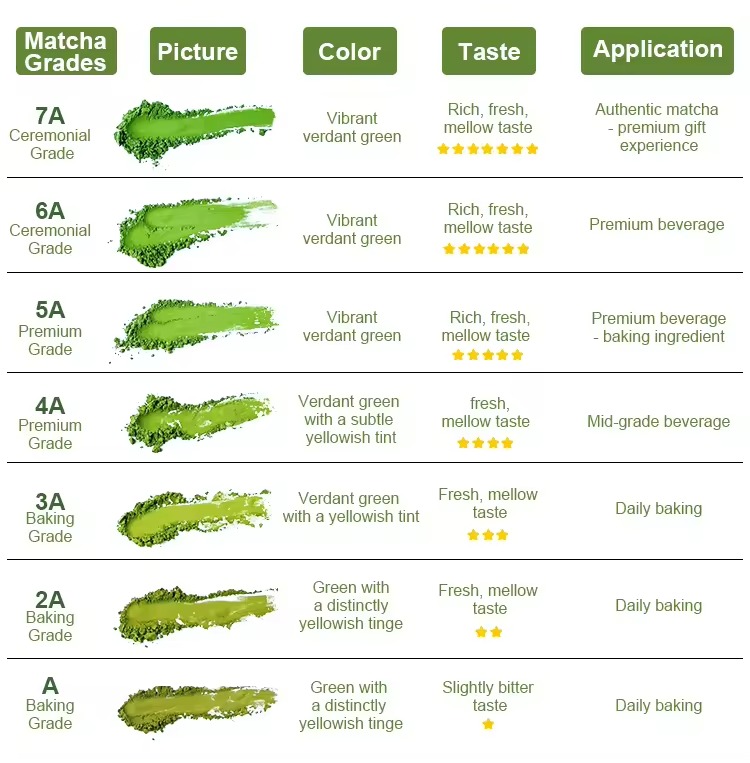
As new stores continue opening worldwide, demand for Culinary Grade Matcha and Matcha for Bubble Tea applications continues to increase.
7. Consumers Prefer Natural and Sustainable Ingredients
Sustainability is becoming a major purchasing factor.
Modern consumers increasingly seek products that are:
- Plant-based
- Environmentally responsible
- Traceable
- Naturally sourced
Many matcha manufacturers have responded by investing in:
- Organic cultivation
- Sustainable farming practices
- Food safety certifications
- Transparent supply chains
These efforts align closely with consumer expectations and help strengthen the long-term growth potential of the matcha industry.
8. Strong Global Market Growth and Investment
Industry analysts project continued growth for the global matcha market over the coming years.
Several factors support this outlook:
- Rising health awareness
- Expansion of functional foods
- Growth of e-commerce
- Increasing café consumption
- Development of private label brands
- Growing demand for premium ingredients
As a result, food manufacturers, beverage brands, distributors, and retailers are increasingly investing in matcha-based product lines.
This trend is creating significant opportunities for Matcha Manufacturers, OEM Suppliers, and Private Label Matcha Producers worldwide.
The Future of Matcha
The future of matcha extends far beyond traditional tea consumption.
As consumer preferences continue shifting toward wellness, sustainability, and functional nutrition, matcha is becoming an essential ingredient across multiple product categories.
From premium tea ceremonies to ready-to-drink beverages, from nutritional supplements to bakery products, matcha’s versatility and growing consumer recognition position it for long-term global success.
For businesses looking to participate in one of the most dynamic segments of the food and beverage industry, matcha represents both a powerful ingredient and a significant market opportunity.
Conclusion
Matcha’s rapid rise is not the result of a single trend.
Its success is driven by the combination of health-conscious consumers, functional food innovation, social media influence, sustainability awareness, and expanding applications across global industries.
These factors have transformed matcha from a traditional tea ingredient into one of the fastest-growing superfoods in the world.
As global demand continues to expand, matcha is expected to remain at the forefront of wellness-focused food and beverage innovation for years to come.