.svg)

Introduction
As matcha continues to gain popularity worldwide, buyers are often faced with an important question:
Which grade of matcha powder is right for my application?
Whether you are launching a private label tea brand, developing a new beverage, producing nutritional supplements, or manufacturing food products, selecting the appropriate matcha grade can significantly impact product quality, customer satisfaction, and overall costs.
Understanding the differences between various matcha grades allows businesses to make smarter sourcing decisions and achieve better product performance.
In this guide, we explain the most common matcha grades and how to choose the right one for your specific needs.
Understanding Matcha Grades
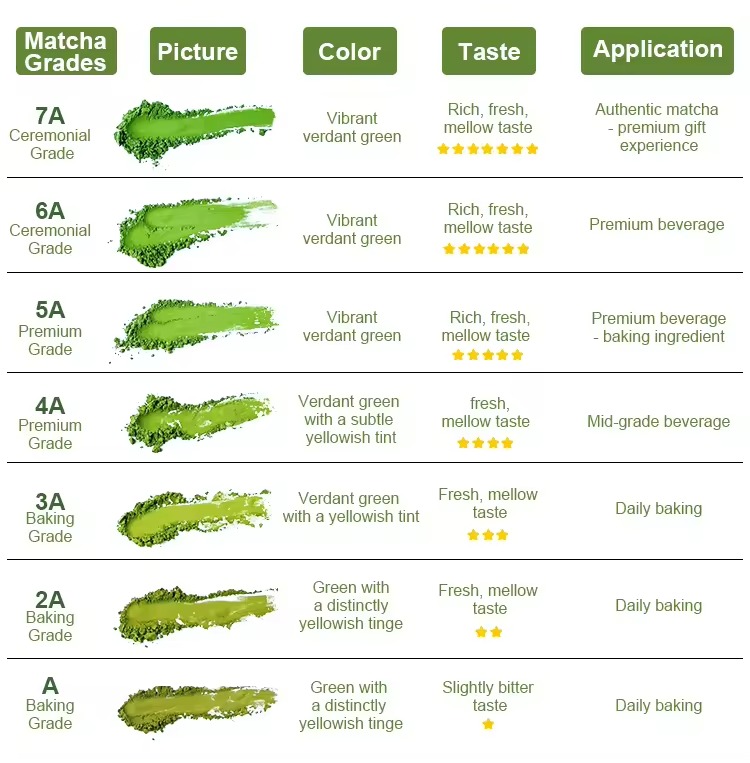
Although grading standards can vary slightly among manufacturers, matcha is generally categorized into four main grades:
- Ceremonial Grade Matcha
- Premium Grade Matcha
- Culinary Grade Matcha
- Industrial or Ingredient Grade Matcha
Each grade is designed for different applications and customer expectations.
Choosing the wrong grade can result in unnecessary costs or unsatisfactory product performance.
Ceremonial Grade Matcha
Best For:
- Traditional tea preparation
- High-end tea ceremonies
- Premium matcha drinking
- Specialty cafés
- Luxury retail products
Ceremonial Grade Matcha represents the highest level of quality.
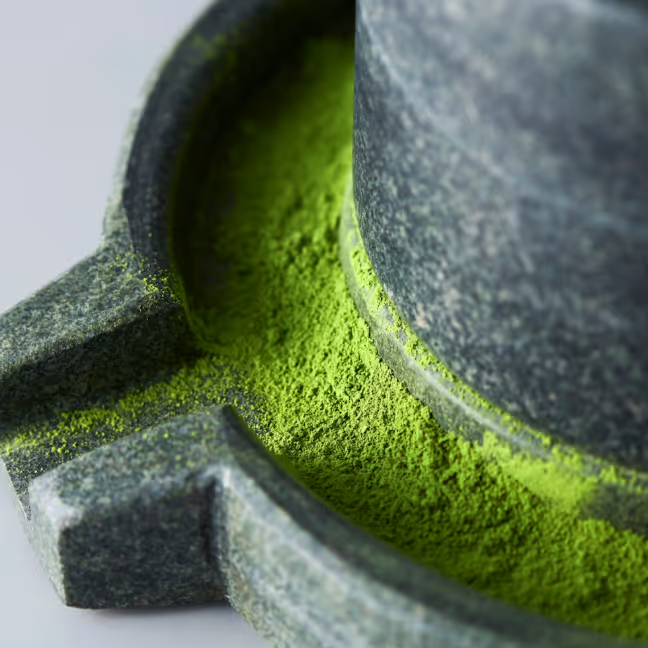
It is typically made from carefully selected young tea leaves harvested during the first flush season. The leaves are shade-grown, processed with precision, and stone-ground into an ultra-fine powder.
Characteristics
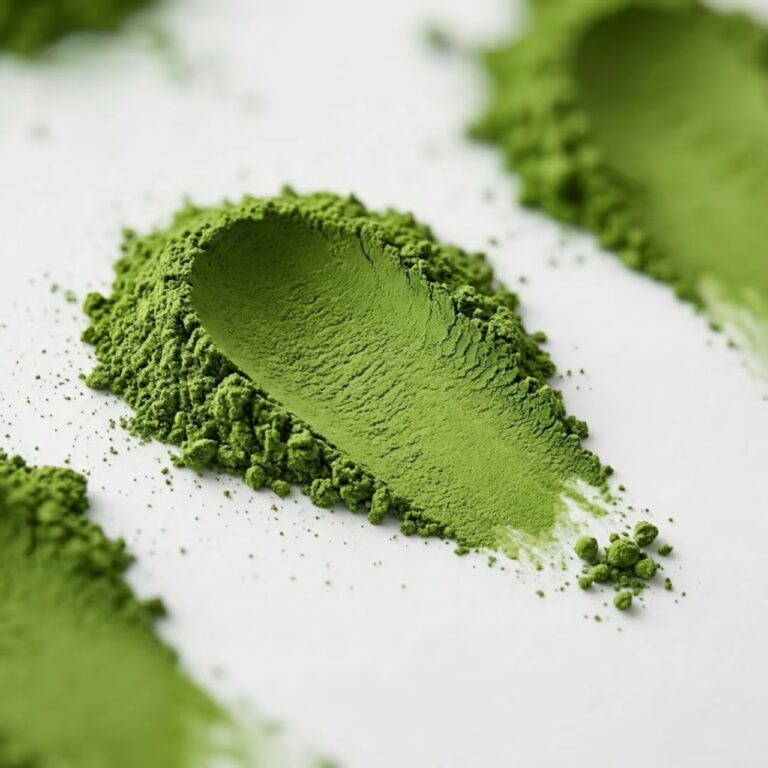
- Bright emerald green color
- Smooth and creamy texture
- Naturally sweet flavor
- Minimal bitterness
- Rich umami taste
Because of its delicate flavor profile, ceremonial grade matcha is intended to be consumed directly with water rather than mixed with other ingredients.
Considerations
While ceremonial grade offers the finest drinking experience, it is also the most expensive option. Using ceremonial matcha in bakery products or flavored beverages is often not cost-effective because many of its premium characteristics become less noticeable after processing.
Premium Grade Matcha
Best For:
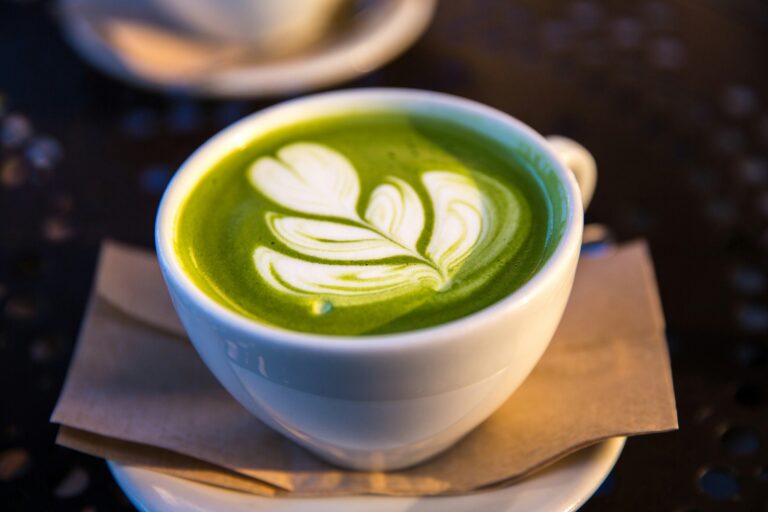
- Matcha lattes
- Premium beverages
- Health drinks
- Smoothies
- Retail tea products
Premium Grade Matcha offers an excellent balance between quality and affordability.
It delivers vibrant color and pleasant flavor while remaining more economical than ceremonial grade.
Characteristics
- Bright green appearance
- Mild sweetness
- Balanced flavor
- Good solubility
- Excellent beverage performance
Many cafés and beverage brands choose premium grade matcha because it provides attractive color and flavor while maintaining reasonable production costs.
For growing beverage brands, premium grade is often the most versatile option.
Culinary Grade Matcha
Best For:
- Bubble tea
- Ice cream
- Bakery products
- Chocolate
- Confectionery
- Food manufacturing
Culinary Grade Matcha is specifically designed for applications where matcha is combined with other ingredients.
Rather than emphasizing delicate sweetness, culinary matcha focuses on delivering a strong tea flavor that remains noticeable after processing.
Characteristics
- Stronger flavor profile
- Good color retention
- Excellent heat stability
- Cost-effective pricing
- Suitable for large-volume production
This grade has become increasingly popular among food manufacturers and bubble tea chains worldwide.
For many commercial applications, culinary grade provides the best balance between performance and cost.
Ingredient Grade Matcha
Best For:
- Nutritional supplements
- Capsules
- Tablets
- Functional foods
- Industrial food applications
Ingredient Grade Matcha prioritizes functionality and cost efficiency.
It is commonly used when matcha serves as a nutritional ingredient rather than a primary flavor component.
Characteristics
- Higher production efficiency
- Competitive pricing
- Suitable for large-scale manufacturing
- Consistent supply availability
Businesses producing dietary supplements or functional food products often choose this grade due to its practicality and scalability.
How to Choose Matcha Based on Your Product
For Tea Brands
Recommended Grade: Ceremonial Grade Matcha
Consumers purchasing premium tea products expect exceptional flavor, aroma, and drinking experience.
For Matcha Latte Products
Recommended Grade: Premium Grade Matcha
Provides excellent color, flavor, and value for cafés and beverage brands.
For Bubble Tea Chains
Recommended Grade: Culinary Grade Matcha
Strong flavor performance and cost efficiency make it ideal for high-volume beverage operations.
For Bakery Products
Recommended Grade: Culinary Grade Matcha
Offers excellent color retention and flavor stability during baking.
For Supplements
Recommended Grade: Ingredient Grade Matcha
Delivers nutritional benefits while supporting large-scale production.
Factors Beyond Grade
When selecting a Matcha Powder Supplier, buyers should evaluate more than grade alone.
Important considerations include:
- Origin of tea leaves
- Organic certification
- Food safety compliance
- Production capacity
- OEM capabilities
- Supply chain stability
- Export experience
A professional Matcha Manufacturer can help customize specifications according to your target market and product requirements.
Conclusion
There is no single “best” matcha grade for every application.
The ideal choice depends on your product goals, customer expectations, and budget.
Ceremonial Grade Matcha is ideal for traditional tea consumption.
Premium Grade Matcha performs exceptionally well in beverages and retail products.
Culinary Grade Matcha is the preferred solution for bubble tea, bakery, and food manufacturing.
Ingredient Grade Matcha supports nutritional supplements and industrial applications.
By partnering with a trusted Matcha Powder Manufacturer, businesses can select the right grade, optimize product quality, and build successful brands in the rapidly growing global matcha market.