.svg)

Introduction
The global beverage industry is undergoing a major transformation.
Consumers are increasingly moving away from traditional sugary drinks and seeking healthier, more natural alternatives. At the same time, beverage brands are under pressure to innovate, differentiate their products, and respond to changing consumer preferences.
Among the many ingredients driving this evolution, matcha powder has emerged as one of the most influential.
Once primarily associated with traditional tea ceremonies, matcha has become a key ingredient in modern beverages ranging from café drinks and bubble tea to ready-to-drink products and functional wellness beverages.
Today, matcha is not simply another flavor option—it is helping reshape the future of the global beverage industry.
The Shift Toward Healthier Beverages
One of the biggest trends in the beverage market is the growing demand for healthier drink options.
Consumers increasingly look for products that are:
- Plant-based
- Natural
- Low in artificial ingredients
- Functional and wellness-oriented
- Visually appealing
Matcha fits perfectly into this trend.
Made from finely ground green tea leaves, matcha offers a clean-label ingredient that aligns with modern consumer expectations.
For beverage manufacturers, matcha provides a natural way to create premium products without relying heavily on artificial colors or synthetic ingredients.
Matcha Has Become a Global Café Favorite
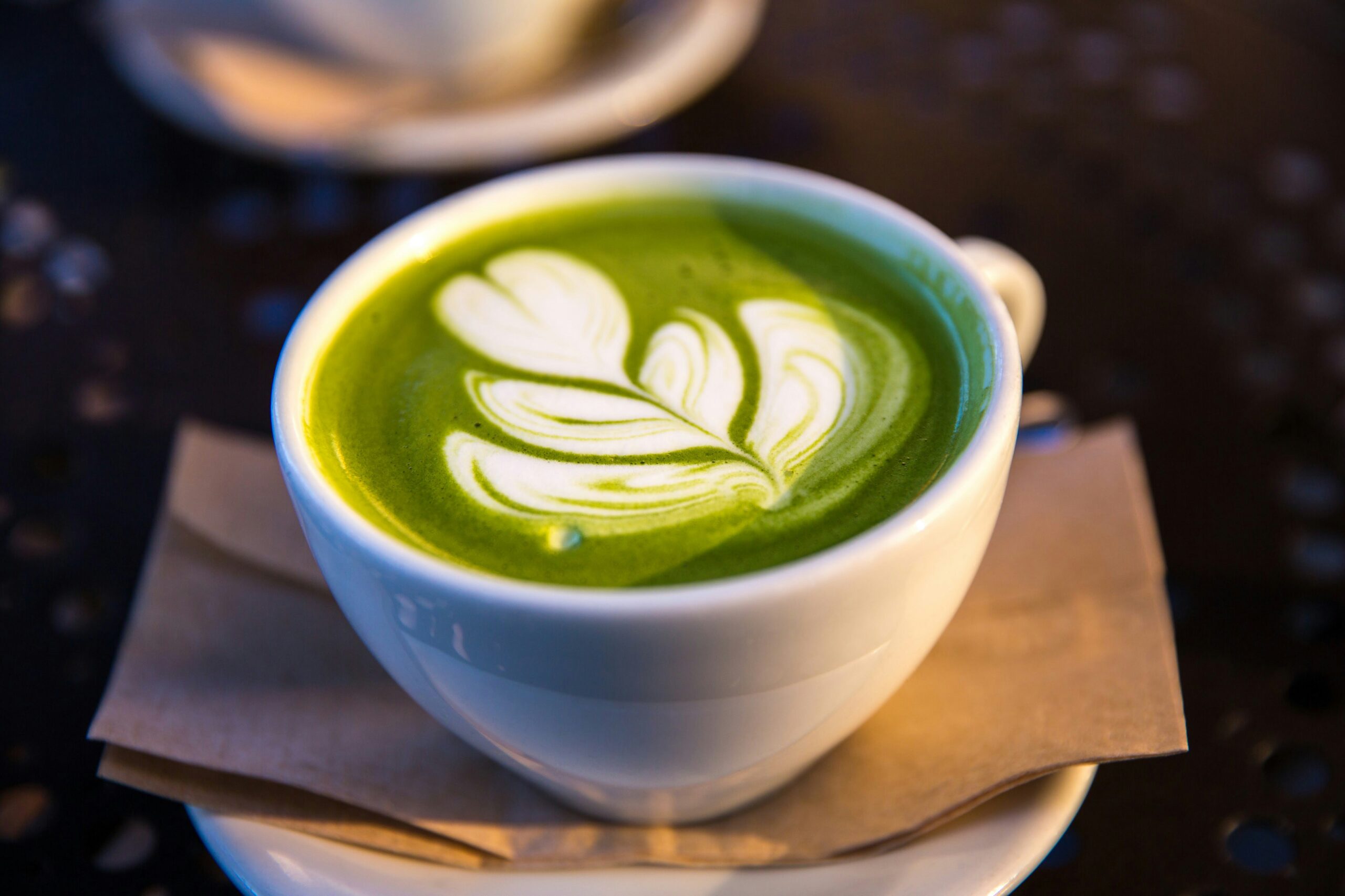
Perhaps the most visible example of matcha’s impact can be seen in cafés around the world.
A decade ago, matcha beverages were relatively niche outside Asia.
Today, consumers can find:
- Matcha Latte
- Iced Matcha Latte
- Matcha Espresso Fusion
- Matcha Frappes
- Matcha Smoothies
- Matcha Cold Brew Drinks
in coffee shops across North America, Europe, Australia, and the Middle East.
Many café operators view matcha as an essential menu item because it attracts health-conscious consumers and provides a premium alternative to traditional coffee-based drinks.
As younger consumers seek new taste experiences, matcha continues to gain popularity among Millennials and Generation Z.
Matcha Is Fueling the Growth of Bubble Tea
The rapid expansion of bubble tea culture has created another major opportunity for matcha.
Originally popular in East Asia, bubble tea has become a global beverage phenomenon.
Thousands of bubble tea stores now operate across:
- United States
- Canada
- United Kingdom
- Germany
- France
- Australia
- Southeast Asia
- Middle East
Matcha has become one of the most popular flavors on many bubble tea menus.
Consumers appreciate its vibrant appearance and distinctive flavor profile, making Matcha Bubble Tea a premium offering in many stores.
As new bubble tea chains continue to enter international markets, demand for beverage-grade matcha powder is expected to grow significantly.
Ready-to-Drink Matcha Is a Fast-Growing Category
Convenience remains a major driver of beverage purchasing decisions.
Consumers increasingly prefer products that fit busy lifestyles.
This trend has fueled the growth of Ready-to-Drink (RTD) matcha beverages, including:
- Bottled matcha tea
- Matcha energy drinks
- Matcha protein beverages
- Functional wellness drinks
- Sparkling matcha beverages
RTD matcha products offer consumers an easy way to enjoy matcha without preparation, making the category especially attractive for supermarkets, convenience stores, and e-commerce retailers.
Many global beverage brands are investing heavily in this rapidly expanding segment.
Matcha Supports the Functional Beverage Revolution
The functional beverage category has become one of the most dynamic sectors in the food and beverage industry.
Consumers increasingly expect drinks to provide benefits beyond hydration.
Matcha has become a popular ingredient in functional beverage formulations because it contains naturally occurring compounds associated with wellness-focused products.
Today, matcha is commonly incorporated into:
- Wellness beverages
- Fitness drinks
- Nutritional beverages
- Plant-based formulations
- Premium lifestyle drinks
For beverage developers, matcha provides both functional appeal and a compelling marketing story.
A Natural Solution for Clean Label Innovation
Consumers are paying closer attention to ingredient labels than ever before.
Many beverage brands are actively reducing artificial additives and replacing synthetic ingredients with natural alternatives.
Matcha offers several advantages:
Natural Green Color
The rich green appearance of matcha allows brands to create visually attractive products without artificial coloring agents.
Premium Product Positioning
Matcha is widely perceived as a premium ingredient, helping brands justify higher price points and improve market positioning.
Strong Consumer Recognition
Unlike many emerging ingredients, matcha already enjoys strong consumer awareness and acceptance in major global markets.
This reduces the challenge of educating consumers about new products.
Why Beverage Brands Are Choosing OEM Matcha Suppliers
As demand increases, beverage companies need reliable partners capable of supplying consistent quality matcha ingredients.
Professional OEM Matcha Manufacturers help beverage brands by providing:
- Customized matcha formulations
- Beverage-grade matcha powder
- Organic matcha options
- Private label services
- Scalable production capacity
- International export support
These capabilities enable beverage companies to bring innovative products to market more efficiently.
Sustainability Is Driving Long-Term Growth
Modern consumers increasingly support brands that prioritize sustainability.
Many matcha producers have invested in:
- Sustainable tea farming
- Organic cultivation
- Traceable supply chains
- Environmentally responsible production practices
This commitment aligns closely with consumer expectations and strengthens matcha’s position in the future beverage market.
As sustainability becomes a core purchasing factor, matcha’s natural and plant-based image continues to attract both consumers and beverage manufacturers.
The Future of Matcha in the Beverage Industry
The role of matcha in the beverage industry is still evolving.
Future opportunities are expected to include:
- Functional wellness beverages
- Plant-based nutrition drinks
- Premium café concepts
- RTD health beverages
- Sports nutrition products
- Personalized nutrition solutions
As consumers continue prioritizing health, convenience, and sustainability, matcha is well positioned to remain one of the industry’s most important growth ingredients.
Conclusion
Matcha powder is no longer limited to traditional tea consumption.
It has become a driving force behind innovation across the global beverage industry.
From specialty cafés and bubble tea chains to ready-to-drink products and functional wellness beverages, matcha is helping brands create healthier, more premium, and more engaging products for modern consumers.
As demand continues to grow worldwide, beverage companies that embrace matcha today are positioning themselves at the forefront of one of the most exciting trends in the global food and beverage market.